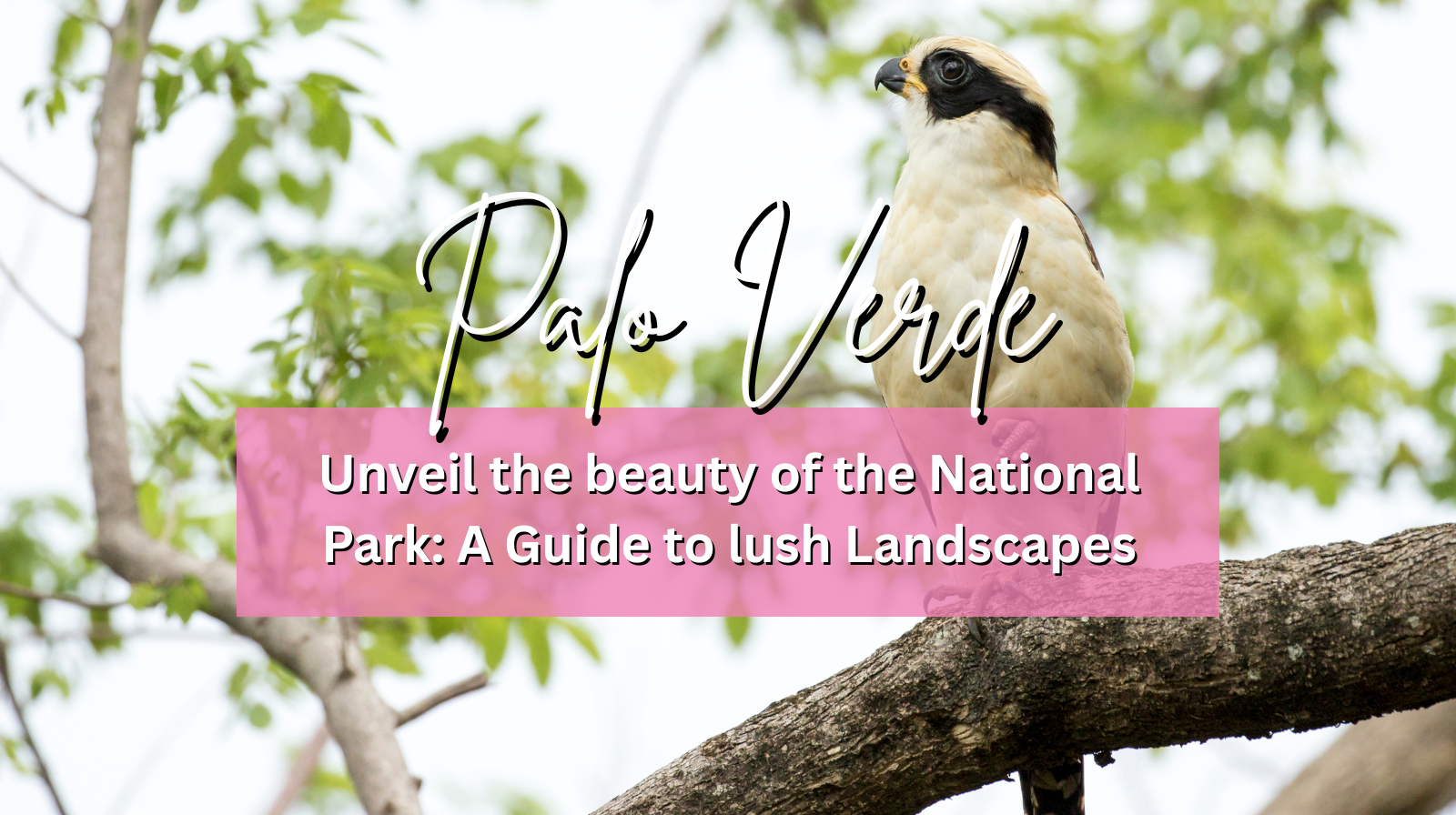
If you’ve ever felt that pull to disconnect from the noise and reconnect with raw nature, Palo Verde National Park hits different. This is the kind of place that quietly resets your system—where wide-open wetlands, dramatic sunsets, and the sound of birds overhead remind you why Costa Rica is such a powerhouse of biodiversity. Palo Verde isn’t flashy or crowded. It’s authentic, peaceful, and deeply grounding—perfect for travelers craving meaningful nature experiences over tourist checklists.

Overview of the Park’s Unique Ecosystem
Palo Verde National Park sits in Guanacaste and protects one of the most important wetland ecosystems in Central America. What makes it unique is the contrast: tropical dry forest, mangroves, rivers, and seasonal wetlands all coexist in one compact area.
During the dry season, the wetlands shrink and concentrate wildlife. In the rainy season, the park transforms into a lush, flooded landscape bursting with life. From an ecological standpoint, Palo Verde is a critical biodiversity hub—and a non-negotiable stop for nature lovers.
Wildlife Encounters: What to Expect
Wildlife here isn’t staged—it’s real, unpredictable, and incredibly rewarding if you move slowly and stay observant. You can expect to see:
- White-faced capuchin & howler monkeys
One moment the forest is quiet, the next it’s alive with movement. Capuchin monkeys leap between branches with curious energy, while the deep calls of howler monkeys echo across the wetlands—often your first “welcome” to Palo Verde. These primates are most active in the early morning, making sunrise hikes especially rewarding. - American crocodiles along the Tempisque River
Drifting along the Tempisque River, you’ll spot massive American crocodiles resting on the banks, completely still yet undeniably powerful. Palo Verde is one of the best places in Costa Rica to observe these ancient reptiles in their natural habitat, especially during boat tours through the wetlands. - White-tailed deer, coatis & iguanas
As you walk the park’s open trails, white-tailed deer quietly emerge from the dry forest, while coatis forage in small groups nearby. Sun-loving iguanas are often seen perched on tree branches, perfectly blending into the landscape. These everyday encounters make Palo Verde feel immersive rather than staged. - Boa constrictors, garter snakes & other reptiles
Palo Verde’s warm climate creates ideal conditions for reptiles. With a careful eye, you may spot a boa constrictor coiled in the shade or smaller snake species crossing forest paths. These sightings are a reminder of the park’s delicate balance—and why moving slowly always pays off. - Jaguars & pumas (rare but present)
While rarely seen, the knowledge that jaguars and pumas still roam Palo Verde adds an undeniable sense of wildness to every visit. Their presence signals a healthy ecosystem, and even without a sighting, knowing you’re walking in true big-cat territory makes the experience unforgettable.

Best Hiking Trails in Palo Verde
Palo Verde is more about strategic exploration than long-distance trekking, but the trails deliver quality over quantity.
Espavel Trail: A Gentle Introduction to Palo Verde
If this is your first time in Palo Verde National Park, Espavel Trail is the ideal starting point. The path is mostly flat and easy to navigate, allowing you to slow down and truly observe your surroundings. Towering trees provide intermittent shade, while open areas offer clear views of the wetlands where wildlife frequently appears.
This trail is especially productive for spotting monkeys, iguanas, and birds moving between forest and marshland. It’s less about distance and more about presence—perfect for travelers who value connection over speed.
Casona Trail: History, Views, and Wildlife in One Walk
Casona Trail blends nature with storytelling. As you walk toward the historic La Casona hacienda, the landscape opens up into sweeping wetland views that feel almost cinematic. This former cattle ranch turned ranger station tells the story of how conservation reshaped Palo Verde into what it is today.
Wildlife sightings are common along this route, particularly deer and bird species drawn to open spaces. The viewpoint near La Casona is one of the best places in the park to pause, reflect, and appreciate the scale of the ecosystem around you.
La Cantera Trail: Small Trail, Big Biodiversity
Don’t let its shorter length fool you—La Cantera Trail delivers high value in a compact format. This trail winds through areas rich in bird activity, especially during the early morning hours when the park feels most alive.
It’s an excellent option for birdwatchers and photographers looking for close-range encounters without a long hike. Here, every step feels intentional, making it a strong choice for visitors short on time but hungry for meaningful nature experiences.
Trail Strategy Tip
Palo Verde’s hiking trails reward timing over endurance. Start early, move slowly, and pair your hike with binoculars or a guide to maximize wildlife sightings. The real magic here isn’t how far you walk—it’s how much you notice along the way.

Birdwatching Opportunities: A Paradise for Bird Lovers
Imagine standing at the edge of a calm wetland at dawn. The air is cool, the water reflects the soft golden light, and all around you, the symphony of birds begins. This is Palo Verde National Park, and for bird lovers, it’s nothing short of paradise.
With over 280 bird species, the park is a living aviary, full of color, motion, and surprise. You might catch the elegant Jabiru stork gliding across the sky, or spot the striking roseate spoonbill wading through shallow waters. Scarlet macaws squawk overhead, adding bursts of crimson to the green landscape, while herons and egrets line the riverbanks like sentinels.
Seasonal migration adds even more excitement. From November to April, North American visitors like sandpipers and plovers arrive, turning the wetlands into a vibrant stage of international travelers—feathered ones, of course.
The best way to experience this spectacle? A boat tour along the Tempisque River. From the quiet of the water, you’ll float past flocks of birds with minimal disturbance, making it easy to capture photos or simply marvel at the variety of life. And even if you’re hiking, every trail offers surprise encounters—sometimes a colorful tanager flitting just a few feet away, or a pair of kingfishers darting above the water.
Birdwatching in Palo Verde isn’t just about ticking species off a list—it’s about slowing down, tuning in, and feeling a deep connection to one of Costa Rica’s most magical ecosystems.
Accommodation Options Near the Park
While there are no hotels inside the park, the surrounding area offers solid options depending on your travel style:
- Eco-lodges and nature-focused stays near Bagaces
- Haciendas and countryside lodges with guided tours
- Beach resorts in Playa Hermosa or Playa del Coco (about 1–1.5 hours away)
Strategically, staying nearby allows early access—critical for wildlife activity and heat management.
Things to Do Near Palo Verde National Park
Extend the value of your visit with nearby experiences:
- Tempisque River boat tours
- Hot springs near Bagaces
- Cultural visits to traditional Guanacaste towns
- Day trips to Rincón de la Vieja National Park
- Sunset beach escapes along the Pacific coast
This region is perfect for mixing slow nature days with adventure and wellness.

Tips for Visiting Palo Verde National Park
Quick wins to optimize your experience:
- Go early in the morning—heat and wildlife activity peak early
- Bring binoculars, sunscreen, and plenty of water
- Wear lightweight, breathable clothing
- Visit during the dry season (Dec–April) for best wildlife visibility
- Consider a local guide—the insight is worth the investment
Conservation Efforts and Park Preservation
Palo Verde National Park isn’t just a place to visit—it’s a success story in ecosystem recovery and preservation. Decades ago, this region faced threats from cattle ranching, land development, and invasive species. Today, thanks to dedicated conservation efforts, the wetlands and dry forests have bounced back, creating a thriving habitat for wildlife and birds alike.
Local and international organizations work tirelessly to protect this delicate ecosystem, restoring wetlands and monitoring wildlife populations. Rangers and guides on every tour help visitors understand the importance of staying on trails, respecting habitats, and supporting sustainable practices.
By choosing to explore Palo Verde responsibly, you’re not just a traveler—you’re a participant in the park’s ongoing preservation story. Every careful step, every quiet observation, and every tour booked through local guides helps ensure this sanctuary stays vibrant for generations to come.

Why Palo Verde Should Be on Your Travel List
Palo Verde National Park is more than a destination—it’s an invitation to slow down, tune in, and witness the raw beauty of Costa Rica’s wetlands. From the playful monkeys in the treetops to the awe-inspiring flocks of birds along the Tempisque River, every corner of the park tells a story of resilience, life, and balance.
For travelers craving authenticity over crowds, adventure with a gentle pace, and wildlife encounters that feel real and unfiltered, Palo Verde delivers on every front. Whether you’re hiking the trails, gliding along the river, or simply soaking in the sunsets, this park reminds you why Costa Rica is a world leader in nature preservation.
Make Palo Verde a part of your itinerary, and you won’t just visit Costa Rica—you’ll experience a side of the country that stays with you long after you leave.
