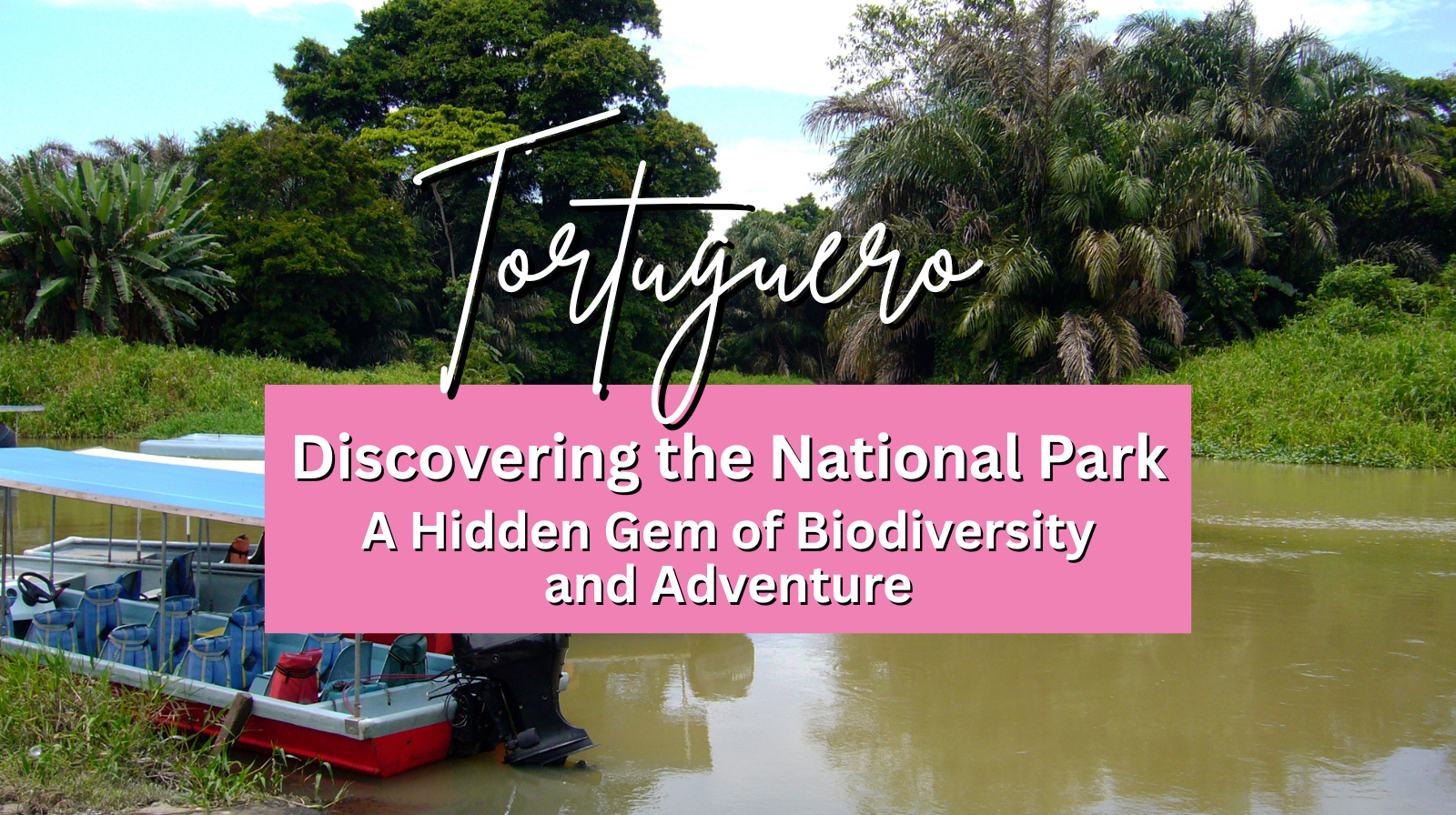
If you’ve ever dreamed of exploring a place where jungles meet the Caribbean Sea and wildlife seems to appear at every turn, Tortuguero National Park is exactly that kind of magic. Tucked away on Costa Rica’s northeastern coast, this protected paradise is often called the “Amazon of Costa Rica”—a maze of winding canals, dense rainforest, and untouched beaches where nature still calls the shots.
Unlike many other destinations, Tortuguero isn’t reachable by car. You arrive by boat or small plane, gliding past lush mangroves and mirror-still lagoons before stepping into a world that feels blissfully remote. Here, mornings start with howler monkeys announcing the sunrise, and evenings close with the gentle crash of waves where sea turtles nest under the moonlight.
For travelers seeking a true immersion in Costa Rica’s wild side, Tortuguero offers one of the most authentic experiences you can find. It’s home to some of the country’s richest biodiversity—over 400 species of birds, playful monkeys, sloths, and the famous green sea turtles that return every year to lay their eggs. Whether you’re kayaking through quiet canals, joining a turtle-nesting night tour, or simply watching toucans glide across the canopy, the connection you feel to nature here is unforgettable.
In this guide, we’ll explore everything you need to know about visiting Tortuguero National Park: how to get there, the best time to visit, where to stay, and all the incredible adventures waiting for you in this hidden corner of Costa Rica’s Caribbean coast.

The Unique Ecosystem of Tortuguero
What makes Tortuguero National Park truly special is how many worlds seem to exist in one small corner of Costa Rica. It’s a place where lush rainforests, freshwater canals, swamps, lagoons, and coastal beaches all blend together—creating one of the most diverse ecosystems in Central America. Every inch of this region hums with life.
Tortuguero’s name literally means “Land of Turtles,” and it lives up to it. Its long stretch of dark-sand beach is one of the most important nesting sites in the world for green sea turtles, as well as leatherbacks, hawksbills, and loggerheads. Between July and October, the shoreline transforms into a breathtaking scene as hundreds of turtles emerge from the waves to lay their eggs under the stars.
But it’s not just about the turtles. The park spans more than 77,000 acres of protected land and water, home to an astonishing variety of wildlife. Its network of canals and rivers connects deep rainforest to the Caribbean Sea, supporting species that thrive in both wetland and jungle habitats. The air feels alive—filled with the calls of howler monkeys, red-eyed tree frogs, and over 400 species of birds.
Birdwatchers, in particular, fall in love with Tortuguero. The skies here are a flutter of color and sound—great green macaws, keel-billed toucans, herons, egrets, and even the striking Amazon kingfisher can be spotted along the waterways. Early morning boat rides or guided canoe tours are the best way to take it all in—every bend in the canal revealing something new, from a caiman resting on a log to a basilisk lizard darting across the surface of the water.
Because of its remote location and careful conservation, Tortuguero remains one of Costa Rica’s most pristine habitats. It’s a living example of how delicate ecosystems can coexist—where freshwater meets saltwater, and jungle meets ocean. That’s what makes Tortuguero feel different: it’s not just a park, it’s a rare glimpse into how nature once looked before the modern world caught up.

Wildlife Encounters: What to Expect
If there’s one thing you can count on in Tortuguero National Park, it’s that you’ll never be far from something wild. This place is often called a living rainforest, and honestly, it feels like stepping into a nature documentary—only this time, you’re in the frame.
Every boat ride through the canals is a front-row seat to Costa Rica’s untamed beauty. Look up, and you might spot a three-toed sloth draped lazily across a branch or a howler monkey swinging through the treetops, letting out that deep, echoing call that sounds straight out of Jurassic Park. Closer to the water, neotropical river otters dart between the roots of mangroves, while caimans sunbathe along the riverbanks as if posing for photos.
But it’s the birdlife that really steals the show here. Tortuguero is a paradise for birdwatchers—whether you’re a seasoned birder or just someone who loves a splash of color. You’ll see great blue herons, anhingas, roseate spoonbills, and kingfishers diving gracefully into the water. In the canopy, flashes of green, red, and yellow signal the arrival of keel-billed toucans, while great green macaws, one of Costa Rica’s most endangered species, add their unmistakable squawks to the soundscape. Early mornings are magical—the air feels soft and still, except for the buzz of wings and the distant call of a heron waking up the jungle.
And of course, the main stars of Tortuguero: the sea turtles. Depending on when you visit, you might witness the mesmerizing nesting season (July to October for green turtles, February to April for leatherbacks). Watching a massive turtle dig her nest under the moonlight, carefully lay her eggs, and return to the sea—it’s one of those travel moments that stays with you forever.
Even if you’re not on a guided tour, the park’s energy makes it easy to feel part of something bigger. Every ripple in the canal, every rustle in the canopy hints at life moving all around you. Tortuguero reminds you that nature doesn’t need to be sought out—it just needs to be noticed.

Best Time to Visit Tortuguero National Park
Here’s the thing about Tortuguero National Park—there’s really no bad time to visit. But depending on what kind of experience you’re after, some months can feel a little more special than others.
Tortuguero sits on Costa Rica’s Caribbean coast, which means it doesn’t follow the same dry and rainy seasons as the Pacific side. Instead, the weather here is more unpredictable—it can rain any day of the year, but those quick showers are often followed by brilliant sunshine. The rain is part of what keeps the jungle so lush and alive, so it’s worth embracing the misty mornings and dramatic skies.
If your main goal is to see sea turtles nesting, plan your trip between July and October, when green turtles come ashore in large numbers. It’s one of the most incredible natural events in the country. Leatherback turtles—the largest sea turtles on Earth—nest a bit earlier, from February to April, and watching one of these gentle giants lumber onto the beach is something you’ll never forget.
For travelers who love birdwatching or photography, December through April is a great window. There’s slightly less rain, and many migratory species arrive during this time, filling the park with color and song. The light filtering through the rainforest canopy at sunrise feels almost cinematic—perfect for spotting herons, toucans, and jacamars.
If you’re after a quieter experience, May and November are often overlooked gems. Fewer tourists, lower prices, and a still-thriving jungle atmosphere make these shoulder months ideal for travelers who like a slower pace.
The truth is, Tortuguero’s magic doesn’t depend on the calendar—it’s alive year-round. Whether you visit in the rain or the sun, the experience always feels raw, real, and unforgettable.

How to Get to Tortuguero: Transportation Options
Getting to Tortuguero National Park is an adventure in itself—and honestly, that’s part of its charm. Since there are no roads leading directly to the park, every visitor arrives either by boat or by small plane, which already sets the tone for the kind of wild, off-the-grid experience waiting ahead.
Most travelers start their journey from San José, Costa Rica’s capital. From there, you have two main routes:
1. By Boat (the scenic way):
You’ll first take a car or shuttle to either La Pavona (near Guápiles) or Caño Blanco, the main boat docks serving Tortuguero. The drive takes about 3–4 hours through beautiful countryside and banana plantations. From the dock, you’ll hop on a motorboat that winds through the park’s intricate canal system—an hour or two of pure jungle bliss. Keep your camera ready; it’s common to spot monkeys, herons, and crocodiles along the way.
2. By Plane (the quick way):
If you prefer to skip the long ride, local airlines like Sansa offer short flights from San José to the small Tortuguero airstrip. The flight lasts about 30 minutes, offering jaw-dropping views of the rainforest and Caribbean coastline. Once you land, most lodges are just a few minutes away by boat.
No matter how you get there, arriving in Tortuguero feels like crossing into another world. The hum of city life fades, replaced by the rhythm of water and the call of toucans echoing through the trees.
A small note—because the area is remote, it’s best to book your transportation and lodge together. Many eco-lodges include transfers as part of their packages, which takes the guesswork out of timing boats and connections.
The journey might take a little effort, but that’s exactly why Tortuguero feels so special. You don’t just go there—you arrive with intention, and nature greets you at the doorstep.

Activities and Adventures in Tortuguero
If you’re the kind of traveler who loves getting lost in nature (in the best way possible), Tortuguero National Park is a dream come true. This hidden gem on Costa Rica’s northern Caribbean coast is all about slow travel, connection, and adventure — where every activity feels like a discovery waiting to happen.
One of the best ways to explore Tortuguero is by canoe or kayak, drifting quietly through its winding canals. You’ll glide past emerald-green vegetation so close you can almost touch it, while curious wildlife peeks out from the trees and riverbanks. Spot monkeys swinging through the canopy, colorful toucans darting overhead, and maybe even a sleepy sloth lounging in the shade. These guided canal tours are a must — it’s the kind of peaceful adventure that makes you forget time completely.
For something a little more active, you can set out on a guided jungle hike through the park’s lush trails. Early morning walks are especially magical — the air feels fresh, the forest comes alive, and the light filters through the trees like something out of a movie. If you’re lucky, you might catch a glimpse of tiny red-eyed tree frogs, playful spider monkeys, or even jaguar tracks left in the mud!
And of course, no trip to Tortuguero would be complete without witnessing the sea turtle nesting season. Between July and October, thousands of green sea turtles come ashore to lay their eggs under the moonlight — a truly unforgettable experience that connects you to the cycle of life in the most beautiful way. Many local guides offer responsible turtle-watching tours, ensuring this delicate process is protected while still letting you witness nature’s magic up close.
Beyond the park, you can also visit the Tortuguero Village, a small and welcoming community where you’ll find colorful houses, friendly locals, and delicious Caribbean-inspired dishes. Try the coconut rice and beans — it’s a local favorite! You can also stop by the Sea Turtle Conservancy to learn about their ongoing research and conservation efforts.
Whether you’re paddling through jungle canals, hiking under a green canopy, or simply watching the sunrise over the Caribbean Sea, every moment in Tortuguero feels like a small adventure. It’s not just about what you do — it’s about how this place makes you feel: connected, calm, and a little bit in awe of nature’s power.

Accommodations: Where to Stay in Tortuguero
When it comes to finding a place to stay in Tortuguero National Park, expect an experience that blends comfort with the wild beauty of nature. This isn’t your typical beach resort destination — here, you’ll wake up to the sound of howler monkeys in the trees, tropical birds singing, and the gentle hum of the rainforest all around you.
Because Tortuguero is only accessible by boat or small plane, most accommodations have that off-the-grid charm — think open-air designs, river views, and lush gardens filled with butterflies. Many lodges and eco-hotels are nestled right along the canals, giving you front-row seats to the park’s stunning natural show.
If you’re looking for a little luxury surrounded by nature, Tortuga Lodge & Gardens is a favorite among travelers. It offers beautiful riverfront rooms, a peaceful pool, and excellent local cuisine — all while staying true to sustainable practices. The service here is warm and personal, making it feel like your home away from home in the jungle.
For eco-conscious travelers, Mawamba Lodge is also a fantastic choice. It is known for their comfortable rooms, guided nature tours, and beautiful surroundings — perfect if you want to fully immerse yourself in Tortuguero’s rainforest magic. You’ll often find walking trails, private docks, and hammocks waiting for you after a day of exploring.
Budget travelers are also in luck! The Tortuguero Village area has charming guesthouses and small inns where you can experience the local culture more closely. Staying here means you can stroll through the colorful village, chat with friendly locals, and easily access restaurants and small tour operators.
No matter where you stay, most lodges include package deals that cover your transportation, meals, and guided tours — a great option since getting around the area requires boats and local expertise. It makes your trip smooth and worry-free, letting you focus on the real reason you came: to soak in all that natural beauty.
So whether you’re relaxing in a riverside hammock, sipping fresh Costa Rican coffee while watching the sunrise, or listening to the rain patter softly on your cabin’s roof — your stay in Tortuguero will feel like a perfect balance of adventure and tranquility. It’s that Pura Vida feeling at its best.

Conservation Efforts and Eco-Tourism in Tortuguero
One of the things that makes Tortuguero National Park so special isn’t just its incredible wildlife—it’s how much care goes into protecting it. This corner of Costa Rica is a true example of eco-tourism done right, where visitors can experience the rainforest and beaches without harming the delicate balance of nature.
At the heart of Tortuguero’s conservation efforts is the Sea Turtle Conservancy (STC), one of the oldest organizations in the world dedicated to protecting sea turtles. Since 1959, they’ve been monitoring nesting beaches, tagging turtles, and educating both locals and travelers about the importance of these amazing creatures. If you visit during nesting season, joining a guided night tour is not only magical — it also supports their work and ensures the turtles remain safe.
But conservation here isn’t just about turtles. The local community, park authorities, and eco-lodges work together to protect the rainforest, canals, and wetlands. Responsible eco-tourism helps provide sustainable jobs for local guides, boat operators, and hospitality staff — giving people alternatives to activities that could harm the environment. Many lodges use solar power, compost waste, and limit single-use plastics, so every visit supports a greener future.
Visitors play a big part too. By following simple rules—staying on trails, keeping a respectful distance from wildlife, and following guide instructions—you help maintain Tortuguero’s delicate ecosystem. Even small actions, like choosing eco-friendly accommodations or supporting local businesses, make a real difference.
The best part? Conservation here doesn’t feel like a restriction — it enhances your experience. Watching a turtle lay eggs at night, spotting a rare bird along a quiet canal, or hearing howler monkeys echo through the forest reminds you why protecting this place matters. Every adventure in Tortuguero is also a lesson in how humans and nature can coexist.
Visiting Tortuguero is not just about seeing wildlife — it’s about being part of a community that protects it, and walking away with a deeper appreciation for Costa Rica’s biodiversity.

Tips for Visiting Tortuguero National Park
Visiting Tortuguero National Park is a once-in-a-lifetime adventure, but because it’s a remote and wild place, a little preparation goes a long way. Here are some friendly tips to help you make the most of your trip while keeping it stress-free and fun:
1. Pack Light, But Smart:
Since most travel in Tortuguero involves boats, it’s best to pack light and waterproof. Bring a waterproof bag or dry sack for your essentials, lightweight clothes that dry quickly, a rain jacket, and comfortable shoes for hiking or muddy trails. Don’t forget insect repellent — mosquitoes are part of the rainforest experience!
2. Choose Guided Tours:
Guided tours are a great way to explore the canals, trails, and nesting beaches safely. Local guides know where to spot wildlife, how to approach turtles responsibly, and which trails are best for birdwatching. Plus, supporting guides is another way to give back to the local community.
3. Respect Wildlife:
Tortuguero’s animals are wild, not zoo attractions. Keep a respectful distance, avoid feeding animals, and stay quiet to increase your chances of seeing shy species like sloths, caimans, or jaguars. Even small actions make a huge difference for conservation.
4. Plan Around Nesting Season if You Can:
If seeing sea turtles is on your bucket list, plan your visit between July and October for green turtles, or February to April for leatherbacks. Guided night tours are the only way to safely observe this incredible natural event without disturbing the turtles.
5. Bring Binoculars and a Camera:
With over 400 species of birds and countless jungle creatures, binoculars are a must. Your camera will help capture memories, but remember to enjoy the moment without getting too caught up behind the lens!
6. Go With the Flow:
Weather in Tortuguero is unpredictable — quick tropical showers are normal. Don’t stress; embrace it. Rainy mornings often give way to magical sunlight piercing through the canopy, creating perfect moments for photography and wildlife spotting.
7. Support Eco-Friendly Lodges and Businesses:
Choose accommodations and tours that follow sustainable practices. Your choices directly support local communities and ongoing conservation, helping ensure Tortuguero stays pristine for generations to come.
Following these tips will make your visit smoother, safer, and more rewarding. More than anything, remember to slow down and soak it all in—the sights, sounds, and rhythms of the rainforest, rivers, and beaches are what make Tortuguero so unforgettable.

Why Tortuguero Should Be on Your Travel List
Tortuguero National Park isn’t just another stop on a Costa Rica itinerary — it’s a destination that feels like stepping into a living, breathing rainforest. Between its winding canals, lush jungle, and pristine Caribbean beaches, it offers a rare opportunity to truly connect with nature. Whether you’re kayaking through calm waterways, spotting colorful toucans and macaws, or witnessing the awe-inspiring sight of sea turtles nesting under the moonlight, every moment in Tortuguero feels magical.
What makes it even more special is its commitment to conservation and eco-tourism. By visiting responsibly, you’re not just seeing the beauty of Costa Rica — you’re supporting efforts that protect endangered species, preserve delicate ecosystems, and empower local communities. It’s an experience that leaves a lasting impression, reminding you of the delicate balance between humans and nature.
So, if you’re looking for a trip that combines adventure, wildlife encounters, and authentic Costa Rican charm, Tortuguero National Park should be at the top of your travel list. It’s a place that rewards curiosity, patience, and a love for the natural world — a hidden gem where every sunrise and canal bend feels like a personal invitation to explore, relax, and be amazed.
