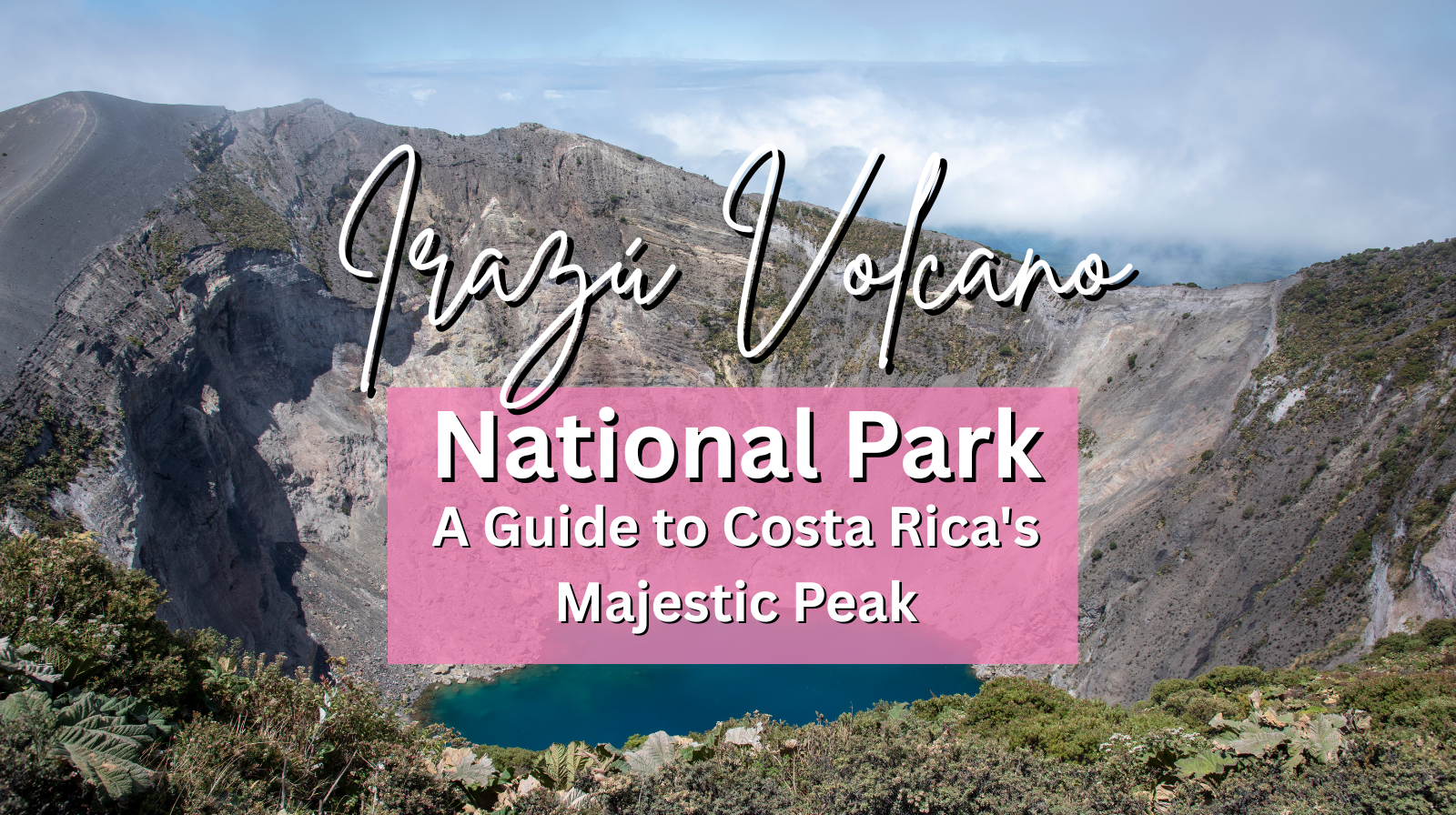
Standing tall at 3,432 meters (11,260 feet), Irazú Volcano is Costa Rica’s highest active volcano and a place where you can literally walk above the clouds. Located just a short drive from San José, this iconic peak offers otherworldly landscapes, crisp mountain air, and a view that stretches—on a clear day—all the way to both the Pacific and Caribbean coasts.
Whether you’re a hiker, a wildlife lover, or simply chasing that “top of the world” moment, Irazú Volcano National Park deserves a spot on your Costa Rica itinerary.

The Geological Significance of Irazú Volcano
Irazú’s dramatic beauty is rooted in its fiery past. The volcano has been active for thousands of years, with its most famous eruption occurring in 1963—right as U.S. President John F. Kennedy visited Costa Rica. For two years, it sent ash clouds over the Central Valley, leaving a deep mark on local history.
The park is home to five craters, with Crater Principal being the star attraction—a massive, 300-meter-deep depression filled with surreal turquoise water when conditions allow. The mineral-rich soil and rugged terrain tell the story of how Costa Rica’s mountains were shaped by volcanic forces, making it a living geology lesson set against sweeping skies.
Best Time to Visit Irazú Volcano National Park
The best time to visit is during Costa Rica’s dry season (December to April), when skies are clearer and visibility is at its best. Early mornings, especially between 8:00 and 10:00 a.m., offer the greatest chance of catching panoramic views before the clouds roll in.
During the green season (May to November), the park takes on a misty, mysterious beauty, though fog often obscures the crater. Bring warm layers—the high elevation keeps temperatures cool year-round, averaging between 5°C and 15°C (41°F–59°F).

How to Get to Irazú Volcano National Park
Irazú Volcano is located about 32 kilometers (20 miles) from Cartago and roughly 55 kilometers (34 miles) from San José.
- By Car: The drive takes around 1.5 to 2 hours. The route is straightforward and paved, winding through farmlands and small mountain towns.
- By Tour: Many travel agencies in San José and Cartago offer half-day or full-day tours with transportation included.
- By Bus: There’s a daily public bus from Cartago (leaving early in the morning), which stops directly at the park entrance.
Once you arrive, you’ll find parking, restrooms, and a small café at the visitor area.

Exploring the Trails: Hiking Adventures
Hiking at Irazú Volcano National Park feels like walking through a dreamscape—where volcanic ash meets alpine grasslands and clouds drift past your feet. The park’s trails are short but full of character, perfect for travelers who want to experience Costa Rica’s highest volcano without an intense trek. Here’s what to expect on each path.
Crater Principal Trail: The Iconic Viewpoint
This is the park’s most popular and accessible trail, leading straight to the heart of the action—the Main Crater. The loop is about 1 kilometer (0.6 miles) long and mostly flat, making it suitable for all ages and fitness levels.
As you stroll across the sandy, moon-like terrain, the landscape opens up to a breathtaking scene: the enormous turquoise crater surrounded by ash-gray ridges. On clear mornings, you can even see both the Caribbean Sea and the Pacific Ocean glimmering in the distance.
This trail is ideal for photographers, families, and anyone looking for that postcard-perfect view of Irazú Volcano. Just remember to start early—the fog tends to roll in by mid-morning.
Diego de la Haya Trail: A Walk Through the Moon
If you’re craving a deeper look into Irazú’s volcanic terrain, follow the Diego de la Haya Trail, named after the smaller secondary crater nearby. This route extends beyond the main crater area and offers a slightly longer and quieter walk, still manageable for most visitors.
The Diego de la Haya Crater is often dry, its floor coated in pale minerals that create a striking lunar landscape. Along the way, you’ll pass through stretches of black volcanic sand and patches of hardy vegetation, giving you a close-up look at how nature adapts to such harsh conditions.
Hikers often describe this trail as meditative—the wind, the silence, and the surreal colors make it feel like time pauses for a while.
La Laguna Trail: Nature and Solitude
Tucked away from the main crowds, La Laguna Trail is a hidden gem for travelers who enjoy solitude and nature watching. It meanders through páramo vegetation, with clusters of ferns, wildflowers, and Chusquea bamboo framing the path.
Because this area is less visited, you might spot some of the park’s wildlife—coatis, armadillos, or even a fiery-throated hummingbird darting between shrubs. The cool mountain air and expansive views make it easy to slow down and soak in the moment.
While not difficult, the altitude (over 3,400 meters) can make walking feel a bit heavier, so take your time and enjoy the journey.
Trail Tips for a Smooth Hike
- Arrive early to catch clear skies and avoid the afternoon fog.
- Wear layers—the weather can switch from sunny to chilly in minutes.
- Bring water and snacks, as services inside the park are limited.
- Use sturdy shoes, since volcanic soil can be slippery when wet.
- Keep an eye out for birds—the fiery-throated hummingbird and volcano junco are local favorites.
Each of these Irazú Volcano hiking trails offers a different way to experience the park’s natural power and tranquility. Whether you stick to the crater viewpoints or wander into the páramo, you’ll leave with a deep appreciation for this wild, wind-carved corner of Costa Rica.
Flora and Fauna in Irazú Volcano: Discovering the Biodiversity
Despite its harsh environment, Irazú is teeming with life adapted to the cold, windy conditions. The park protects páramo ecosystems, a type of high-altitude vegetation unique to Central America. Here you’ll find Chusquea bamboo, ferns, and dwarf shrubs scattered across the volcanic soil.
Wildlife watchers can spot coatis, armadillos, and sometimes red foxes roaming the hillsides. Bird enthusiasts are in for a treat—look out for the volcano hummingbird, sooty robins, and the vibrant fiery-throated hummingbird, whose feathers flash iridescent blues and greens in the sunlight.
In quieter moments, you might even catch the call of the long-tailed silky-flycatcher, a favorite among local birders.
Must-See Attractions within the Park
- Main Crater Viewpoint: The highlight of any visit—its size and color are breathtaking.
- Diego de la Haya Crater: Smaller but rich in textures and geological layers.
- Observation Platform: On clear days, it offers unmatched views stretching from ocean to ocean.
- Visitor Center: Learn about the volcano’s history and grab a warm drink before or after your hike.
Tips for a Memorable Visit to Irazú Volcano
- Arrive early to beat the fog and crowds.
- Dress in layers—it’s cold and windy at the summit.
- Bring sun protection, even on cloudy days.
- Pack snacks and water, as services are limited.
- Check park hours—it usually opens from 8:00 a.m. to 3:30 p.m., with last entry at 2:00 p.m.
- Book your tickets online
- Bring a camera—the shifting light makes every shot unique.

Nearby Attractions and Activities
After soaking in the otherworldly landscapes of Irazú Volcano National Park, there’s plenty more to explore nearby. Whether you’re looking for history, culture, or natural beauty, the area around Irazú offers things to do near Irazú Volcano that perfectly complement your volcano adventure.
Cartago: Costa Rica’s Historic Heart
Just a short drive downhill from the volcano, Cartago is Costa Rica’s oldest city and a must-visit for history lovers. Stroll through the colonial streets, admire the architecture, and don’t miss the Basilica de los Ángeles, a stunning church that attracts thousands of pilgrims every year.
Stop by the local markets to sample fresh fruit, traditional empanadas, and Costa Rican coffee grown in the surrounding mountains. Visiting Cartago is a perfect way to combine volcano sightseeing with cultural exploration, giving you a richer sense of Costa Rica’s Central Valley region.
Orosi Valley: Lush Landscapes and Coffee Tours
A short drive from Irazú Volcano, the Orosi Valley is a hidden gem of rolling hills, waterfalls, and picturesque coffee plantations. Take a guided coffee tour to learn about the process from bean to cup while enjoying breathtaking valley views.
Nature lovers will enjoy walking to the Orosi River and exploring the small trails that wind through cloud forests and tropical gardens. The valley is perfect for travelers looking for eco-friendly activities near Irazú Volcano, combining scenery, relaxation, and local culture.
Turrialba Volcano National Park: For the Adventurous
If you’re up for more volcanic exploration, consider a visit to Turrialba Volcano National Park. Known for its active fumaroles and lush hiking trails, Turrialba is less crowded than Irazú but just as dramatic.
Hiking here provides a glimpse into Costa Rica’s volcano diversity, with opportunities to spot birds, endemic plants, and sweeping panoramic views. Many travelers pair Turrialba with Irazú to experience both high-altitude adventures in Cartago Province.
Prusia Forest Reserve: Cloud Forest and Wildlife
For those who love hiking and wildlife spotting, the Prusia Forest Reserve is nearby and offers longer trails through dense cloud forest. You’ll encounter moss-covered trees, sparkling streams, and a chance to see wildlife such as coatis, armadillos, and tropical birds.
It’s an ideal spot for birdwatching near Irazú Volcano, giving enthusiasts a peaceful setting to spot species like the volcano hummingbird and long-tailed silky-flycatcher.
Local Dining and Souvenir Stops
Don’t miss the chance to enjoy traditional Costa Rican cuisine in small towns around the volcano. Many local cafés serve homemade meals and fresh coffee grown on nearby slopes. Pick up a souvenir from Cartago or the Orosi Valley, from handmade crafts to artisanal chocolate, to remember your visit.
Exploring these nearby attractions and activities turns a trip to Irazú Volcano into a full day—or even a multi-day adventure—showing travelers that Costa Rica’s Central Valley is full of history, culture, and natural wonders waiting to be discovered.
Conclusion: Embracing the Beauty of Irazú Volcano National Park
Visiting Irazú Volcano feels like stepping onto another planet—where wind, cloud, and earth meet in a dance of extremes. It’s a reminder of Costa Rica’s raw, unpredictable beauty and how life thrives even in the most rugged places.
Whether you come for the sunrise views, the silent craters, or the chance to spot a hummingbird at 11,000 feet, Irazú Volcano National Park offers a glimpse into the wild heart of the country’s volcanic soul.
