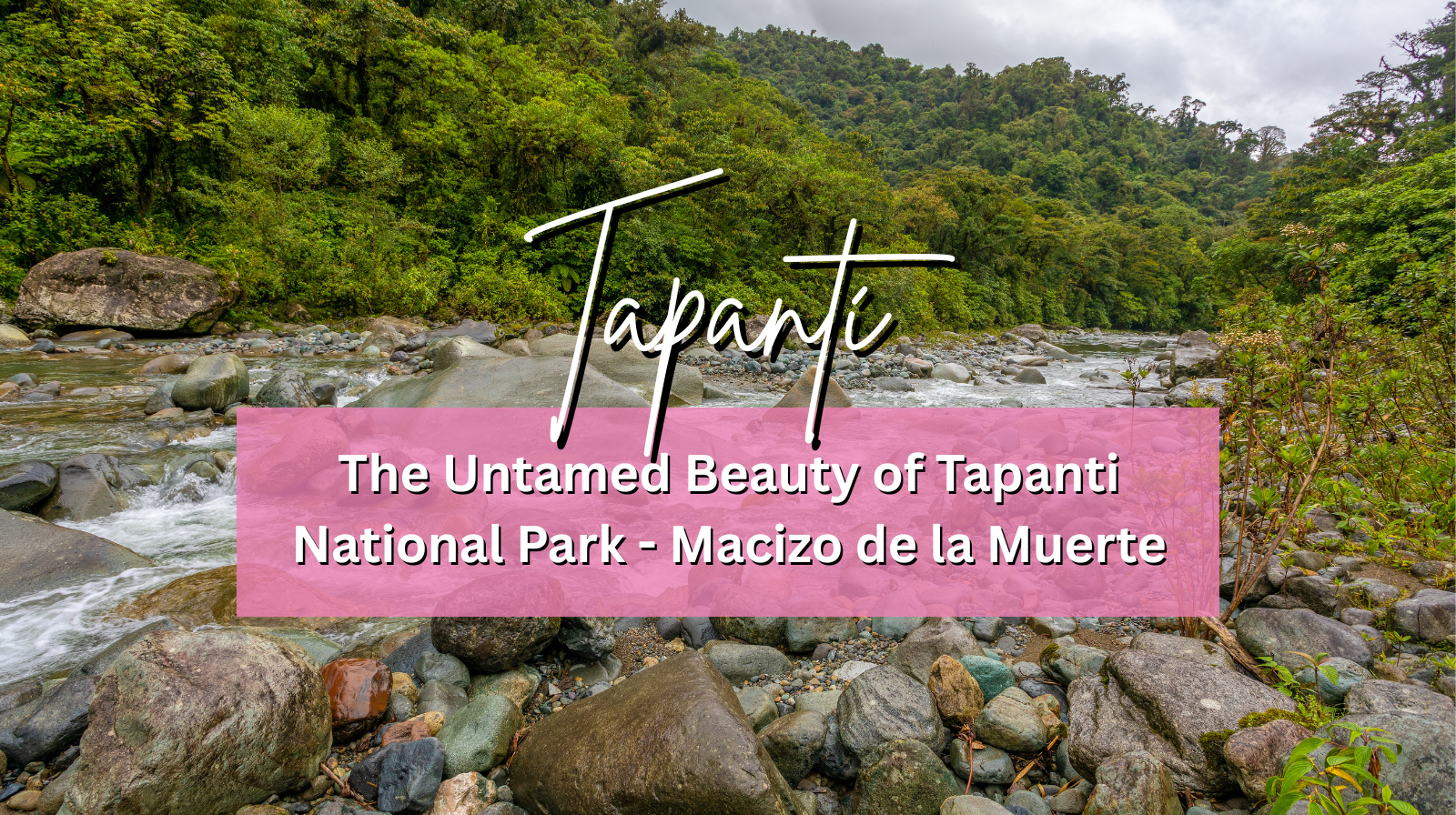
Tucked in the misty mountains of Costa Rica’s central highlands, Tapantí National Park – Macizo de la Muerte feels like nature turned up to full volume. Just an hour and a half from San José, this lesser-known park offers a deep breath of pure cloud-forest air, thundering rivers, and trails wrapped in moss and mystery. It’s one of those places where you start off chasing waterfalls and end up quietly listening to the forest heartbeat.
If you’ve ever wanted to trade Wi-Fi for birdsong, this is where to do it. Tapantí isn’t just another pretty stop—it’s a wild, water-rich sanctuary that keeps much of Costa Rica’s Central Valley alive and green. Let’s wander through what makes this park so special—from its dramatic peaks and hidden trails to the wildlife that calls its misty canopy home.

The Significance of Macizo de la Muerte
A striking name, “Macizo de la Muerte” evokes raw terrain—and this is by design. The area refers to the rugged mountain massif within the park where altitudes, rainfall and ecosystems converge in dramatic fashion. The park spans oughly 58,323 hectares and reaches elevations between about 1,220 m and 2,560 m above sea level.
Because of its geographic position and high rainfall (in some parts more than 6,500 mm annually), the region is a critical water-catchment for the surrounding valley and plays an outsized role in regulating climate, water supply and ecosystem health.
In short: visiting the Macizo isn’t just about hiking—it’s stepping into a living system that sustains people, forest, wildlife and water.

Unique Flora and Fauna of the Park
A Living Cloud Forest in the Heart of Costa Rica
Parque Nacional Tapantí sits within the Macizo de la Muerte range, one of the most biologically diverse regions in Costa Rica. Thanks to its cool, misty climate and heavy rainfall, Tapantí boasts an astonishing variety of plant and animal life. The park’s elevation—ranging from 1,200 to over 2,500 meters—creates multiple ecosystems that thrive side by side, from humid premontane forests to high-altitude cloud canopies.
Flora: Moss-Covered Giants and Hidden Blooms
Step into Tapantí’s trails and you’re instantly surrounded by a living tapestry of green. Towering oak and laurel trees stretch high into the fog, their branches coated with thick mosses, lichens, and orchids. Delicate bromeliads cling to every trunk, collecting raindrops that glisten in the morning light. On the forest floor, ferns and fungi thrive, adding texture to the constantly damp earth. During the rainy season, bursts of color from heliconias and wildflowers attract a flurry of butterflies and hummingbirds.
Birdwatcher’s Paradise
With more than 400 species of birds recorded, Tapantí is one of the best spots in Costa Rica for birdwatching. Among its most sought-after sightings are the brilliant resplendent quetzal, the fiery-throated hummingbird, and the emerald toucanet. Early morning hikes often reward visitors with the sound of bellbirds echoing through the canopy or a flash of iridescent feathers darting between the trees. Whether you’re an avid birder or just curious, the sheer diversity of birdlife here is unforgettable.
Wildlife: From Big Cats to Tiny Frogs
Beyond its famous birds, Tapantí shelters a range of fascinating creatures. Pumas, ocelots, and tapirs roam the deeper forest, though they’re rarely seen by visitors. More common are coatis, armadillos, and the occasional three-toed sloth moving slowly among the branches. The park’s rivers and streams are home to glass frogs, salamanders, and freshwater fish, creating a delicate aquatic ecosystem that mirrors the health of the surrounding rainforest.
Endemic and Rare Species
Tapantí is part of Costa Rica’s Amistad Biosphere Reserve, meaning it protects several endemic species found nowhere else. Among them are the Tapantí rain frog (Craugastor tapanti) and the Dusky nightjar, both rare and deeply tied to this ecosystem’s unique climate. These species highlight why conservation efforts here are so crucial—the park is not just beautiful, it’s irreplaceable.

Best Hiking Trails in Tapantí National Park
Sendero Oropéndula (Oropéndula Trail)
This is one of the more accessible trails in the park. Starting near the visitor facilities, the Oropéndula Trail offers a gentle walk (about 1.2 km to 1.5 km) that meanders through forest and ends near the Río Grande de Orosí. Because of its ease and proximity to the entrance, it’s ideal if you’re arriving later in the day or want a shorter hike to still experience the wild beauty of Tapantí.
Sendero Árboles Caídos (Fallen Trees Trail)
For a bit more challenge and atmosphere, the Fallen Trees Trail (Sendero Árboles Caídos) is worth it. It’s around 2–3 km, through dense forest, with more ascents and muddy patches—especially during rainy periods. It’s a great choice if you want to feel deeper into the forest, hear water running, moss dripping, the kind of environment that makes you pause.
Combined Trails & Viewpoints: La Pava, La Catarata & Miradores
If you’re up for mixing it a little, there are shorter spur trails like Sendero La Pava (~400 m) and Sendero La Catarata (~500 m) that branch off the main trails and lead to a waterfall viewpoint. These are excellent for a relaxed wander with story-worthy scenery. Want more distance? Some hikers combine trails for 3–4 km looped experiences.
Tips on Choosing Your Trail
- Choose Oropéndula if you’re short on time, hiking with family, or just easing in.
- Take Fallen Trees or combine trails if you have more time, good shoes, and want richer forest immersion.
- Always check weather: Tapantí is known for heavy rainfall, muddy terrain, and slick paths.
- Bring shoes with grip, waterproof jacket, and perhaps a slow pace—nature here sets its own rhythm.

Wildlife Watching: What to Expect
Here’s a realistic look at what you might encounter—and some caveats (because nature doesn’t come on demand).
What you might see
- Early morning on trails or near streams is prime for birds—hummingbirds flickering, oropéndolas calling. Guides mention species like the Black-bellied Hummingbird and Green-fronted Lancebill in the region.
- Mammals: if you’re quiet, you might spot or hear coatis, monkeys, maybe even a puma or tigrillo (though more elusive).
- Streams and waterfalls: amphibian life, insects, a forest rich in ambient sounds.
What you shouldn’t expect
- Guarantees of “big game” sightings or perfect clear views. Dense forest + rain = view obstructions.
- Easy spotting of rare species unless you invest time and/or guide.
- Completely dry trails or “tame forest” conditions.
So plan for the “wild”: bring patience, binoculars, maybe a local guide, and a mindset of noticing the smaller things (frogs, moss, birds) as much as the big.
Eco-Tourism and Conservation Efforts
Your visit actually ties into deeper work. A few things to note:
- The park helps protect numerous watersheds—in fact the rivers within Tapantí supply water and hydroelectric power.
- Because of the heavy rainfall and fragile ecosystems, managing visitor impact matters: staying on trails, not disturbing wildlife, ensuring waste is handled.
- There are local efforts around reforestation, education of visitors and community involvement in sustainable tourism—so your mindful visit contributes.
When you go, you might ask a guide: “What’s the current conservation priority here?” It helps deepen your experience.

Tips for Planning Your Visit
Here are some practical pointers—because good prep = smoother vibe.
- Getting there: From San José → Cartago → Paraíso → Orosi → Río Macho → gravel road (~10 km) to the park.
- Hours/services: Open daily 8:00–16:00. Basic visitor services: ranger station, restrooms, signposted trails.
- What to pack: Waterproof/hardshell jacket, boots with good grip, insect repellent, hat, water, binoculars for birding, camera.
- When to go: Even the “dry season” may have rain—this is a wet zone. May-October is heavier rain; if you prefer less rain, pick other months but expect some moisture anyway.
- Consider a guide: Especially if you’re into birds/wildlife. A guide boosts chance of spotting rarer stuff.
- Stay outside or nearby: There are lodges near Orosi or in the region if you want to stay overnight and explore early/late when wildlife is more active.
Local Culture and Communities Surrounding the Park
The land doesn’t stop being human. The valley, towns and farms around the park have culture, history and traditions.
- The nearby town of Orosi (Cartago Province) is charming, with colonial architecture, coffee farms, local cuisine—worth a stop.
- Local people often work in agriculture (coffee, small farms), tourism, conservation. Interacting respectfully (buying local coffee, staying in local lodges, supporting guide services) helps.
- There’s a history to this region: old trails, mining/forest history, and the name “Macizo de la Muerte” reflects how formidable the terrain once was to early inhabitants/travellers.
Engaging the local human side adds a layer beyond “just nature.”

Photography Opportunities in the Untamed Landscape
If your camera bag’s ready, there are some sweet frames waiting.
- Light & mist: Cloud forests deliver ethereal light, mist drifting through trees, moss-covered limbs. Great for atmospheric shots.
- Birds in motion: With over 200 bird species, you’ll want decent lens (telephoto) if you care about detail. But even a good zoom on a smartphone can catch silhouettes or colour flurries.
- Macro/understory: Don’t ignore the small world—ferns, moulds, frogs, mushrooms… these are compelling.
- Water scenes: Rivers, waterfalls, reflection pools—especially around the Rio Grande de Orosí tributaries.
- Human-nature contrast: A local coffee farm or trail sign next to wild forest can offer context.
Tip: Go early or late for best light; overcast days are fine (even better for forest shots). Use a tripod if doing low-light.
Embracing Nature in Parque Nacional Tapantí
Visiting Parque Nacional Tapantí – Macizo de la Muerte is less of a “tick-the-box” outing and more like opening a conversation with wild, layered nature. You’ll hike through mist, listen to distant bird calls, maybe glimpse a shy mammal, and realize you’re within a system that supports more than you first imagined.
The invitation: go with curiosity, go with respect, and let the place speak in its own tempo. You’ll come away not just with pictures and trails done—but with a deeper sense of “what a forest can be when left to its rhythms.”
