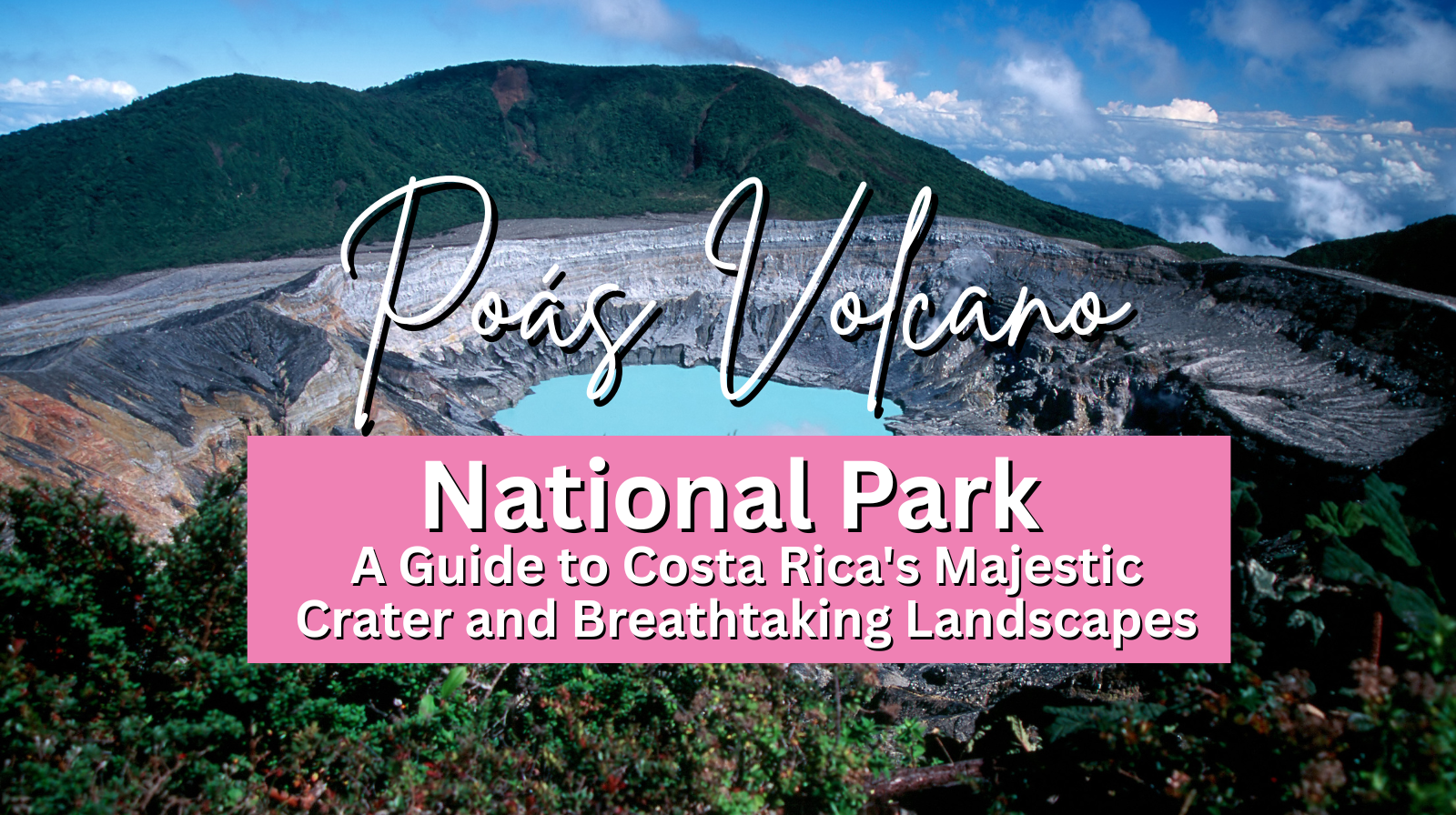
Perched in the heart of Costa Rica’s Central Valley, Poás Volcano National Park is one of the country’s most spectacular natural wonders. Its active crater, misty cloud forests, and otherworldly landscapes make it a must-visit destination for both adventure seekers and casual travelers. Whether you’re drawn by its powerful geology, scenic trails, or incredible biodiversity, Poás promises an unforgettable day in the clouds.

The Geological Significance of Poás Volcano
Poás Volcano stands tall at 2,708 meters (8,885 feet) above sea level and is one of Costa Rica’s most accessible active volcanoes. Its main crater stretches over 1.3 kilometers wide, filled with a striking turquoise acid lake that bubbles and steams—a constant reminder of the planet’s living energy beneath your feet.
This volcano is part of the Central Volcanic Range, which includes other giants like Barva and Irazú. Poás has erupted multiple times throughout history, with recent activity as recent as 2019. Today, visitors can safely admire this natural spectacle from a designated lookout point, where on clear mornings, you’ll see the crater’s vivid colors and rising vapors perfectly framed by the surrounding highlands.

Key Attractions within Poás Volcano National Park
Poás Volcano National Park is packed with breathtaking sights and unique experiences that go far beyond just peeking into its famous crater. Even if you’re not a hardcore hiker, there’s plenty to explore and enjoy.
1. The Main Crater Viewpoint:
The star of the park is, of course, the massive Poás crater. From the specially designed lookout, you’ll get jaw-dropping views of the turquoise-colored acid lake at the bottom. On clear days, the surrounding highlands stretch as far as the eye can see, giving you the perfect backdrop for photos. The smell of sulfur in the air and the occasional steam vent remind you that this volcano is very much alive—an experience you’ll remember long after your visit.
2. Laguna Botos:
For a more serene adventure, don’t miss Laguna Botos, an extinct crater filled with a deep blue lake. The hike to reach it is relatively easy, about 1.5 kilometers round trip, winding through lush cloud forest. Birds chirp overhead, moss carpets the trees, and the cool, misty air makes it feel like stepping into a nature documentary. It’s a peaceful escape from the crowds and a favorite spot for nature photography.
3. Escalonia Trail:
If you have a bit more energy and love forest walks, the Escalonia Trail offers a deeper dive into Poás’ cloud forest ecosystem. Along this trail, you’ll encounter giant ferns, orchids, and bromeliads, and might spot wildlife like coatis, white-faced monkeys, and colorful tropical birds. It’s perfect for travelers who enjoy slow-paced exploration and connecting with nature.
4. Visitor Center and Museum:
Don’t skip the Visitor Center, where you can learn all about Poás’ geology, eruptions, and local conservation efforts. Interactive displays make it engaging for families and curious travelers alike. Local guides are also available to answer questions, share fascinating stories, and give tips on the best viewpoints and wildlife spotting.
5. Panoramic Lookouts and Picnic Spots:
Scattered throughout the park are several scenic viewpoints where you can pause to soak in the beauty of the Central Valley below. Some areas are equipped with benches and picnic tables, making them ideal spots for a coffee break or a snack while enjoying the fresh highland air.
Visiting these attractions gives you a full Poás experience, blending adventure, education, and relaxation in one visit. Whether you’re there for the dramatic crater views or the peaceful lagoon trails, each spot highlights why Poás Volcano National Park is one of Costa Rica’s most cherished natural gems.

Hiking Trails and Accessibility
Poás Volcano National Park isn’t just about standing at the crater edge—it’s a destination for hikers of all levels, from casual walkers to those seeking a peaceful trek through cloud forests. The park’s trails are well-marked, maintained, and designed to make exploring the volcano’s natural beauty easy and enjoyable.
1. Crater Trail (Sendero Principal):
This is the park’s most famous and accessible trail, leading visitors right to the main crater viewpoint. It’s a short, paved 600-meter loop suitable for families, older visitors, and even wheelchairs. Along the way, you’ll notice steam rising from fissures, sulfur vents, and the occasional whiff of volcanic gases—a constant reminder that you’re visiting an active volcano. It’s perfect for those who want the iconic crater view without a strenuous hike.
2. Botos Lagoon Trail (Sendero Laguna Botos):
For a quieter experience, the Botos Lagoon Trail takes you on a 1.5-kilometer walk through lush cloud forest to the serene Laguna Botos, an extinct crater now filled with deep blue waters. The trail is slightly uphill but manageable for most visitors, and it’s a fantastic place to spot birds like the fiery-throated hummingbird or sooty robin, as well as coatis and other small mammals. This trail is ideal for nature lovers and photographers looking to escape the crowds.
3. Escalonia Trail:
The Escalonia Trail is a hidden gem for those who want a more immersive forest experience. Winding through dense vegetation, this path highlights the park’s diverse flora, including ferns, orchids, and bromeliads, while offering chances to observe wildlife in a quieter setting. Though less crowded, it’s recommended for visitors with moderate fitness, as the terrain can be uneven in parts.
Accessibility Tips:
- Trail surfaces: While the main crater trail is paved, other trails like Botos and Escalonia may be muddy during the rainy season (May–November). Sturdy shoes are a must.
- Weather considerations: Poás sits over 2,700 meters above sea level, so temperatures can drop quickly. Bring layers, a rain jacket, and water.
- Time management: Even though the trails are relatively short, allow at least 2–3 hours to fully enjoy the park, including stops at viewpoints, the visitor center, and Laguna Botos.
- Family-friendly: Most trails are suitable for children, but always supervise younger kids near the crater and follow park safety rules.
The combination of easy access, scenic trails, and breathtaking views makes Poás Volcano National Park a perfect choice for travelers who want to experience Costa Rica’s volcanic landscapes without a strenuous trek. Whether you’re snapping photos at the crater, strolling to a hidden lagoon, or wandering through cloud forest, the trails let you experience the park at your own pace.

Flora and Fauna of Poás Volcano
Despite its volcanic nature, Poás hosts incredibly rich biodiversity thanks to its location within the cloud forest zone. The park’s flora includes orchids, bromeliads, and ferns, along with the distinctive Escallonia and Poor Man’s Umbrella (Gunnera insignis) plants with their giant leaves that locals often use as natural umbrellas.
Wildlife here thrives in the cooler, misty climate. Keep your eyes open for white-faced capuchin monkeys, coatis, and armadillos wandering near the trails. Birdwatchers will be delighted to spot species like the resplendent quetzal, black guan, fiery-throated hummingbird, and sooty robin, among others. Early mornings are especially magical, when the forest comes alive with calls and flashes of color through the fog.
Best Times to Visit Poás Volcano National Park
The best time to visit is during the dry season (December to April), when skies are clearer and views of the crater are more likely. That said, the park is beautiful year-round—the mist and drizzle of the green season (May to November) add a mystical charm that photographers love.
Aim to arrive early in the morning (between 8 a.m. and 10 a.m.), as clouds tend to roll in by midday, often covering the crater completely.
Safety Tips for Visitors
Poás is an active volcano, so safety regulations are taken seriously. Here are a few key tips:
- Reserve your entry online through SINAC’s official website before visiting. Only a limited number of visitors are allowed per hour.
- Arrive on time: Entry slots are strict, and late arrivals may not be admitted.
- Follow all park rules and stay within designated areas—venturing off trail is prohibited for safety reasons.
- Bring a mask or bandana in case of light volcanic gas or sulfur smell near the viewpoint.

Nearby Attractions and Activities
Visiting Poás Volcano National Park is the perfect excuse to explore more of Costa Rica’s Central Valley treasures. Whether you’re craving waterfalls, wildlife, or cultural experiences, there’s plenty to fill your day after the volcano adventure.
1. La Paz Waterfall Gardens:
Just 30 minutes from Poás, this private reserve is a must for nature lovers. Wander along well-maintained trails to see five stunning waterfalls, each offering spectacular photo opportunities. The park also has wildlife exhibits where you can spot jaguars, toucans, and sloths, all in lush rainforest surroundings. There’s even a bird sanctuary, making it ideal for both families and avid photographers.
2. Doka Estate Coffee Tour:
Costa Rica is famous for its coffee, and a visit to the Doka Estate offers an authentic experience. Learn how coffee is grown, harvested, and roasted while sipping fresh brews with incredible Central Valley views. It’s a delicious and educational stop, perfect for travelers wanting a taste of local culture.
3. Charming Towns of Grecia and Sarchí:
A short drive from Poás brings you to Grecia, known for its iconic metal church and colorful streets, and Sarchí, the artisan capital of Costa Rica. Here, you can admire hand-painted oxcarts, traditional crafts, and souvenirs. These towns are perfect for a relaxed afternoon stroll, photography, and picking up authentic gifts to remember your trip.
4. Poasito Village:
Right near the park entrance, Poasito offers a taste of local life. Stop by the small markets to sample fresh strawberries, cheese, and homemade jams, or enjoy a coffee with locals. It’s a charming, authentic Costa Rican village experience without straying far from your adventure.
5. Adventure Activities Nearby:
For travelers who like a bit of adrenaline, several zip-lining tours and canopy adventures are available in the surrounding highlands. These tours let you experience the forest from a different perspective while enjoying stunning volcano views.
Pairing your Poás Volcano visit with these nearby attractions transforms a simple day trip into a full, unforgettable Costa Rican adventure, blending natural wonders, wildlife, and local culture. Whether you’re chasing waterfalls, tasting coffee, or wandering through artisan towns, the Central Valley offers something for every traveler just a stone’s throw from Poás.
How to Get to Poás Volcano National Park
From San José, it’s an easy 1.5-hour drive (approximately 50 km) north via Alajuela. The roads are paved and well-marked, making it one of Costa Rica’s most accessible national parks. If you don’t have a car, consider joining a guided day tour or hiring a private driver for flexibility.
Parking: Available at the park entrance for a small fee.
Public transportation: While limited, some local buses and tour shuttles operate from Alajuela to the park area.
Conclusion and Visitor Recommendations
Poás Volcano National Park perfectly captures the essence of Costa Rica’s natural beauty—dramatic landscapes, lush forests, and a touch of volcanic mystery. Whether you’re standing before its steaming crater or walking quietly through the cloud forest, it’s a reminder of how alive and ever-changing this land truly is.
Quick tips:
- Buy your ticket in advance.
- Arrive early for clear crater views.
- Dress in layers and pack a rain jacket.
- Don’t forget your camera—and maybe a thermos of Costa Rican coffee.
From its fiery heart to its serene lagoons, Poás is a destination that stirs both awe and peace. A must-see for any traveler exploring the soul of Costa Rica.

