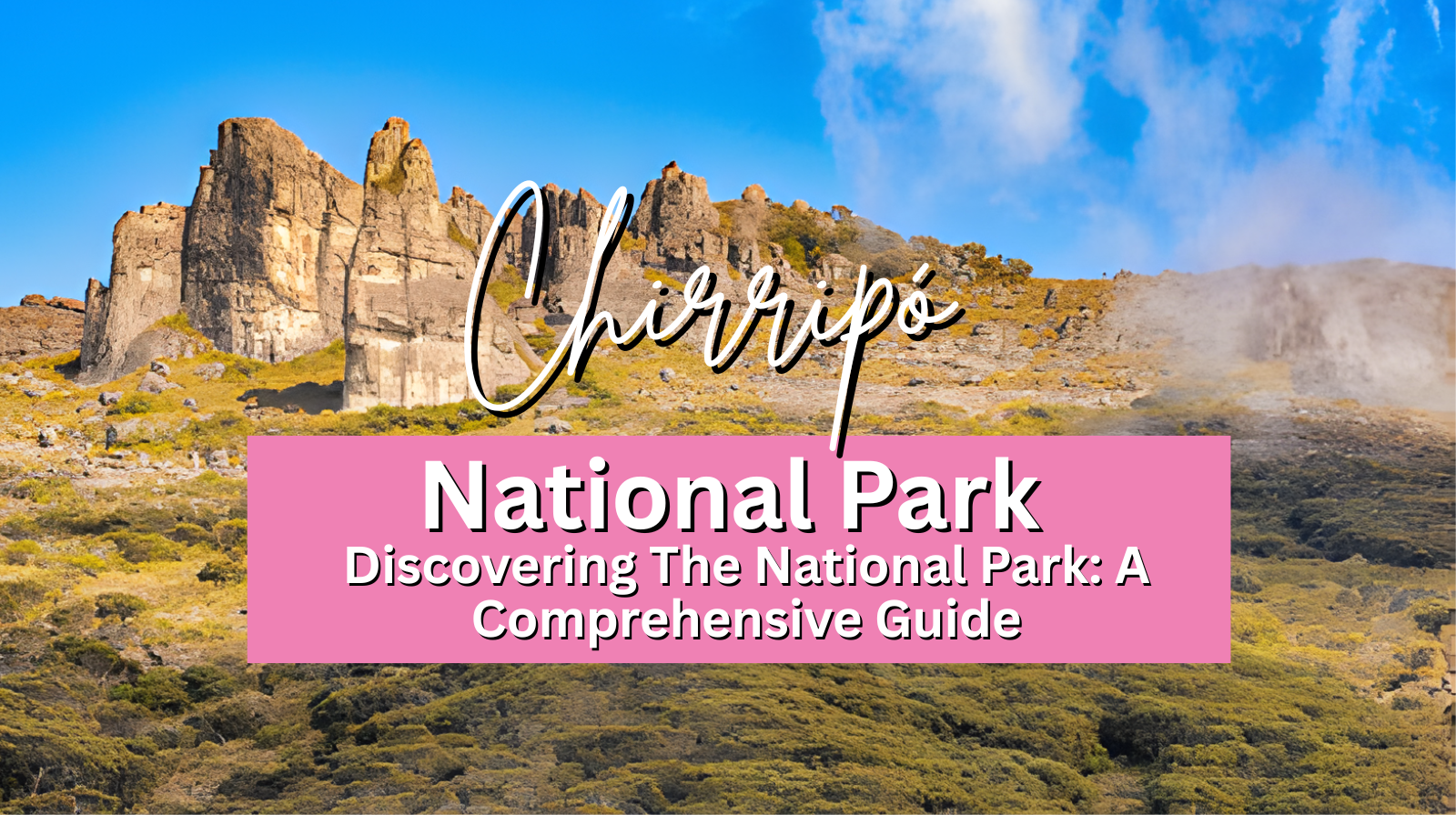
Chirripó National Park is a sanctuary for over 400 bird species, including the elusive quetzal, woodpeckers, and trogons. The park’s varied ecosystems—from tropical rainforests to alpine tundra—support a diverse range of wildlife. Mammals such as pumas, jaguars, howler monkeys, and Baird’s tapirs roam its terrains, while more than 260 species of amphibians and reptiles add to its ecological richness.

The Unique Biodiversity of Chirripó
Stepping into Chirripó National Park feels like entering a living, breathing museum of biodiversity. Stretching from misty cloud forests to the chilly, treeless páramo near its 3,821-meter summit, this park showcases nearly every ecosystem Costa Rica has to offer — all in one place. The massive variation in altitude creates distinct life zones where different species thrive, making it one of the most biologically diverse areas in the country.
At lower elevations, you’ll walk through lush cloud forests blanketed in moss, orchids, and giant ferns. The air is cool and humid, filled with the songs of warblers, tanagers, and hummingbirds. As you ascend, the vegetation transforms — towering oaks give way to shrubby forests and, eventually, the alpine páramo, where only the hardiest plants survive. Here, bamboo-like grasses, tiny flowering herbs, and cushion plants have adapted to freezing temperatures, strong winds, and intense sunlight.
Over 400 bird species
This diversity of ecosystems supports an incredible array of wildlife. More than 400 bird species have been recorded in Chirripó, including high-altitude specialists like the fiery-throated hummingbird and the majestic resplendent quetzal — one of Costa Rica’s most iconic birds. If you’re lucky, you might also spot black guans, trogons, or the golden-browed chlorophonia flashing its bright colors among the trees. Birdwatchers could easily spend days exploring these habitats and never run out of species to discover.
The park’s mammals are just as impressive.
Hidden in the dense forest are Baird’s tapirs, pumas, jaguars, and playful white-faced capuchins. These animals roam freely through the Talamanca Range, which connects Chirripó to the La Amistad International Park — one of the largest continuous conservation corridors in Central America. This connection ensures genetic diversity and safe migration routes for many species that depend on both parks for survival.
Even tiny creatures have their place here. In recent years, scientists discovered a new species of salamander — Bolitoglossa chirripoensis — found only in the high mountain forests of Chirripó. Discoveries like this highlight how much of the park’s biodiversity is still a mystery, waiting to be uncovered.
Chirripó’s ecosystems are not only beautiful but also fragile.
The high-altitude páramo acts as a vital water source, capturing and regulating fresh water that flows down to nearby towns and rivers. Visiting responsibly — staying on trails, respecting wildlife, and following park rules — helps protect this delicate environment so future generations can experience its magic too.
Whether you come for the hiking, the photography, or the peaceful connection with nature, Chirripó’s unique biodiversity is what makes it truly unforgettable. Every step here feels like a journey through different worlds — each one teeming with life, color, and wonder.

Best Time to Visit Chirripó National Park
The optimal time to explore Chirripó is during the dry season, from December to April. This period offers clearer skies and more stable weather conditions, enhancing visibility and hiking comfort . However, be prepared for chilly temperatures, especially at higher elevations, where nighttime temperatures can dip below freezing.
How to Get to Chirripó National Park
To reach Chirripó National Park, travel to the village of San Gerardo de Rivas, located approximately 4 hours south of San José. From there, embark on the trail leading to the park’s entrance. It’s advisable to arrange transportation in advance, as the journey involves winding mountain roads.

Hiking Trails and Routes in Chirripó
Chirripó offers a variety of hiking trails catering to different skill levels:
San Gerardo (Traditional) Route
This is the most popular and accessible route into the park, starting from the village of San Gerardo de Rivas. The trail begins through pastures and private land, crosses into the park at approximately the 4 km mark, and then climbs steadily through cloud forest and beyond. Hikers will encounter key waypoints such as the Llano Bonito refuge and the steep “Cuesta de los Arrepentidos” section. The full ascent to the main base camp (Base Crestones) covers about 14–15 km and demands good fitness, as elevation changes are sharp and weather can shift quickly. Because of its popularity, you’ll find more crowds and more infrastructure (refuge, markers), making it a solid choice for first-time hikers to Chirripó.
San Jerónimo Route
For hikers seeking more solitude and a less travelled path, the San Jerónimo route offers an excellent alternative. Its trailhead is from the village of San Jerónimo, and the route follows through oak-dominated forests before reaching the high mountain zones such as the “Sabana de los Leones”. Because it is less developed and permits are strictly limited (fewer slots per day), this route demands a higher level of preparation and flexibility. The payoff? Fewer people, richer wilderness feel, and a strong sense of adventure. If your blog audience is fit, experienced, and seeking off-the-beaten-path luxury adventure, this is a route worth highlighting.H3: Herradura (or “Through Herradura”) Route
If your readers are true thrill-seekers and fit hikers, this is the high-challenge option. The Herradura route (sometimes called “Through Herradura”) is among the most demanding treks into the park, covering about 30 km with multiple nights of trekking: first night at Paso de los Indios, then to Base Crestones, and so on.The terrain is steep, weather variable, and logistics (permit, guide, camp/refuge) must be well arranged ahead of time. For your “high-end travel” audience this route is a perfect fit: think “luxury wilderness challenge.” Make sure to emphasise that it’s not for casual hikers.
Summit Push (Base Crestones to Cerro Chirripó)
This mini-section describes the final push from the Base Crestones to the summit of Cerro Chirripó, Costa Rica’s highest peak (3,821 m). Even after you reach the base camp, the journey isn’t done: the remaining 5–6 km or so ascend into the alpine páramo zone, with a steep final stretch that may involve scrambling. It’s often done early in the morning (pre-dawn) so hikers can reach the summit for sunrise and look out over both coasts on a clear day. For your readers this deserves its own mention because it transforms the hike from “just a trail” into a “peak-bagging experience.” It also lets you address things like high-altitude conditions, gear requirements, and view rewards.

Accommodations Near Chirripó National Park
While camping within the park is permitted at designated sites like Los Crestones, it’s essential to reserve spots in advance. For those preferring more comfort, several lodges near San Gerardo de Rivas offer cozy accommodations:
- Pelicano Mountain Lodge: A family-run lodge surrounded by coffee plantations, providing a serene environment for guests.
- Hotel Uran: Located in San Gerardo de Rivas, offering convenient access to the park’s trails.
- Casa Mariposa Nature Lodge: A nature-centric lodge providing personalized experiences for visitors.
Essential Packing List for Your Chirripó Adventure
Prepare for varying weather conditions and challenging terrains with the following essentials:
- Clothing: Layered clothing, including thermal wear for colder temperatures at higher elevations.
- Footwear: Sturdy, waterproof hiking boots with good ankle support.
- Gear: Trekking poles, headlamp, and a high-quality backpack.
- Safety: First aid kit, insect repellent, and sunscreen.
- Hydration: Reusable water bottle and snacks for the hike.
Wildlife Spotting and Photography Tips
To maximize wildlife sightings:
- Timing: Early mornings and late afternoons are prime times for animal activity.
- Stealth: Move quietly and slowly to avoid startling animals.
- Equipment: Use binoculars for distant views and a camera with a zoom lens for capturing wildlife without intrusion.
Remember to respect the park’s guidelines to preserve its natural beauty and inhabitants.
Cultural Significance and Local Communities
The indigenous communities surrounding Chirripó National Park have a deep connection to the land. Their traditions and knowledge contribute to the park’s conservation efforts. Engaging with local guides and participating in cultural experiences can enrich your visit and support sustainable tourism initiatives.

Why Chirripó Should Be on Your Travel List
Chirripó National Park offers a unique blend of challenging hikes, diverse ecosystems, and rich cultural heritage. Whether you’re scaling the heights of Cerro Chirripó or immersing yourself in the local culture, the park promises an adventure that caters to all nature enthusiasts. Plan your visit to experience one of Costa Rica’s most treasured natural wonders.
