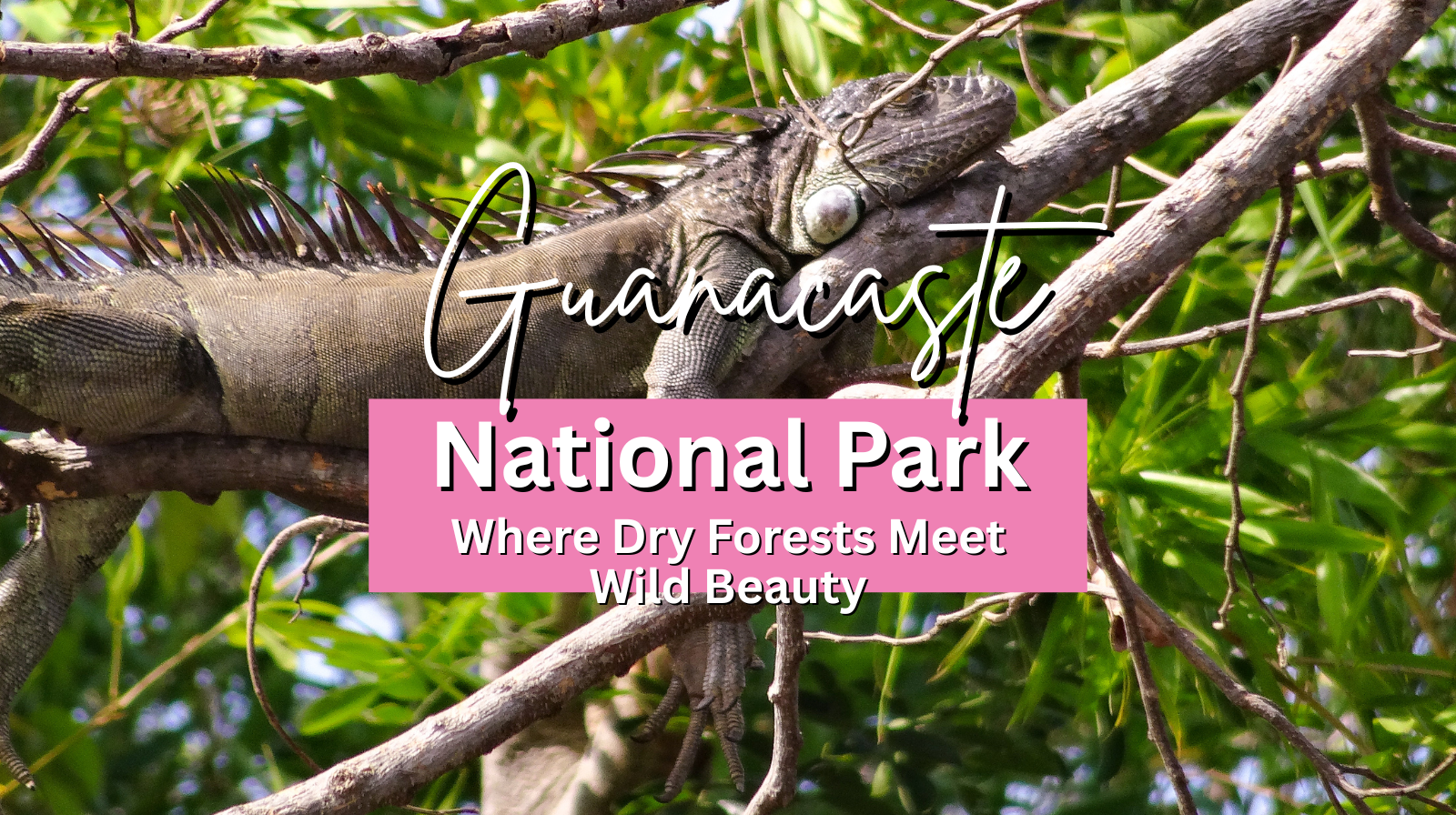
If you’ve ever wanted to experience the real essence of Costa Rica — the wild heart that beats beneath golden hills and ancient trees — you’ll find it in Guanacaste National Park. This hidden gem, tucked up in the northwestern corner of the country, is where volcanoes rise over dry forests, rivers carve deep canyons, and wildlife thrives in every corner.
It’s the kind of place that feels raw and alive — a mix of wild nature, local culture, and those quiet moments when you realize how beautiful “untamed” can be.

The Unique Ecosystem of Guanacaste
Most travelers think “Costa Rica” and picture rainforests dripping with vines — but Guanacaste flips that image on its head. This park is part of the Área de Conservación Guanacaste, a UNESCO World Heritage Site that protects tropical dry forest, savannas, and volcanic terrain.
During the dry season, the forest turns golden, and the wide-branched Guanacaste tree (the national tree of Costa Rica) shades dusty trails. When the rains return, everything bursts into green — rivers fill up, flowers bloom, and the entire landscape transforms. It’s nature’s version of a mood swing, and honestly, it’s stunning in both phases.
Biodiversity and Wildlife Spotting
Here’s the fun part — the wildlife. Guanacaste is teeming with life, and you don’t have to be an expert birder or biologist to spot it.
Howler monkeys are often the first to say hello (you’ll hear them before you see them), while coatis scurry through the underbrush like little forest raccoons. Iguanas bask on sun-soaked rocks, and if you look closely, you might catch sight of trogons, motmots, or the fiery orange orioles fluttering between trees.
If you’re into birdwatching, bring binoculars — the open canopy of the dry forest gives clear views of hundreds of bird species. Early morning or late afternoon hikes are best for spotting wildlife when the light is soft and animals are more active.

Hiking Trails and Outdoor Adventures
Exploring Guanacaste National Park means stepping into a landscape shaped by fire, water, and time. The park is a paradise for hikers who want variety — from easy forest walks to challenging volcanic climbs. Every path reveals a different face of the region, whether it’s a curtain of vines, a panoramic ridge, or the echoing calls of howler monkeys somewhere in the trees.
Below are some of the best trails and outdoor experiences that bring this wild terrain to life.
Los Patos Trail: A Journey Through the Dry Forest
If you want to understand the essence of Guanacaste’s ecosystem, start with Los Patos Trail. This moderate loop winds through dense dry forest, where the sound of crunching leaves mixes with the chatter of birds and monkeys.
Along the way, you’ll spot the iconic Guanacaste tree, towering ceibas, and bursts of yellow from blooming corteza amarilla. Keep an eye out for iguanas basking in patches of sunlight and trogons perched motionless on branches.
The trail is well-marked and not too steep, making it a good introduction for first-time visitors. It’s best tackled early in the morning or late in the afternoon when wildlife is most active and temperatures are cooler.
Cacao Volcano Trail: Hiking Into Ancient Volcanic Lands
For those craving a more rugged adventure, the Cacao Volcano Trail offers a full-on immersion in Guanacaste’s volcanic past. This challenging route leads up the slopes of Cacao Volcano, through humid cloud forest and misty ridges where howler monkeys echo from afar.
You’ll pass bubbling mud pots, fumaroles, and sections of forest that feel completely untouched. The higher you climb, the cooler it gets — and on clear days, you can catch panoramic views stretching toward Nicaragua and the Pacific coast.
Because of its length and elevation gain, this trail is best for experienced hikers or those joining a local guide. Bring sturdy shoes, water, and snacks — this is one of those hikes where preparation pays off.
Orosi Volcano Trail: A Hidden Gem for Adventure Seekers
The Orosi Volcano Trail is less traveled, which makes it perfect if you’re looking for solitude and wild beauty. The terrain shifts from open dry forest to lush, mossy highlands, with the sound of distant rivers cutting through the valleys below.
Orosi is an extinct volcano, so its slopes are rich with minerals that feed the surrounding vegetation — you’ll notice ferns, orchids, and trees wrapped in vines. The summit offers an incredible reward: sweeping views of both the Caribbean and Pacific sides of Costa Rica.
Because it’s remote, it’s best to hike Orosi with a guide familiar with the park’s routes. The area is part of an important biological corridor that connects the dry lowlands to the cloud forests, so wildlife sightings are frequent and diverse.
La Leona Waterfall Adventure: A River Canyon Experience
Technically just outside the park’s main entrance, the La Leona Waterfall hike is one of the most unforgettable experiences near Guanacaste National Park. It’s less of a trail and more of an adventure course through turquoise rivers, narrow canyons, and caves carved into volcanic rock.
You’ll wade through waist-deep water, climb over boulders, and swim through cool pools before reaching the breathtaking waterfall — a hidden cascade framed by canyon walls. It’s as photogenic as it sounds and a must-do for travelers craving a dose of adrenaline.
Guided tours are required here since the route follows the river and conditions can change quickly. Bring a waterproof bag, good grip shoes, and a sense of adventure — you’ll need all three.
Río Tempisque Lookout Trail: Panoramic Views and Birdwatching
If you prefer a gentle hike with rewarding views, the Río Tempisque Lookout Trail is ideal. The path leads you through open savannas and stretches of dry forest until you reach a lookout over the Tempisque River, which snakes like a silver ribbon through the lowlands.
From the top, you can often spot scarlet macaws, crested caracaras, and even white-faced capuchins in the nearby trees. Bring binoculars — this area is a hotspot for birdwatching, especially during the green season when migratory species return.
Sunset here is spectacular, bathing the plains in gold and orange hues. It’s the perfect low-effort, high-reward trail for ending your day in the park.
Horseback Riding and River Tubing Adventures
Beyond hiking, Guanacaste is also known for its outdoor thrills. You can join local tours that take you horseback riding across the savannas, just like the traditional sabaneros (cowboys) of the region. It’s a cultural and scenic experience rolled into one.
For something more refreshing, try river tubing down the Río Colorado or kayaking near the park’s edges. Both give you a new perspective on the landscape and a chance to cool off under the tropical sun.
Waterfalls and Scenic Views
Guanacaste’s landscape is full of contrasts — dry plains giving way to lush riverbanks, flatlands opening into steep canyons. Some of Costa Rica’s most beautiful waterfalls hide here, waiting for those willing to trek a little deeper.
La Leona, Oropendola, and Rio Celeste (just outside the park boundaries) are favorites for good reason. Each one is different — La Leona’s adventure trek, Oropendola’s photogenic plunge pool, and Rio Celeste’s almost unreal blue hue.
If you love photography, this is your playground. Sunrise lights up the volcanic ridges, and golden hour turns the dry forest into liquid amber.

Flora and Fauna: What to Expect
The dry forest may not seem as lush as the rainforest, but it’s home to some incredible plant life. The Guanacaste tree, with its wide canopy and curly seed pods, dominates the skyline. Look out for ceiba trees, pochote, and bursts of color from corteza amarilla when it blooms.
Animals here have learned to adapt to the rhythm of dry and wet seasons. Many birds nest when food is plentiful; deer and monkeys migrate with water sources. The forest’s stillness during dry months isn’t emptiness — it’s just nature catching its breath before the next burst of life.
Cultural Significance and Local Communities
Guanacaste isn’t just about its landscapes — it’s also about its people. The region has deep cowboy roots; you’ll hear about the sabaneros, local cattle herders who keep alive the traditions of old Costa Rica.
Many nearby communities are involved in conservation and eco-tourism. Staying in locally owned lodges or hiring local guides directly supports their efforts to protect the area. You’ll find charming hacienda-style stays where you can eat home-cooked meals, learn a few folk dance steps, or just relax in a hammock as the cicadas sing.
Best Time to Visit Guanacaste National Park
Dry season (November to April) is the most popular — sunny skies, easier trails, and great visibility for wildlife. It’s also when the forest glows in warm earthy tones, a photographer’s dream.
If you don’t mind a little rain, visiting in the green season (May to October) rewards you with waterfalls at full force and vibrant, lush scenery. Just bring a poncho and waterproof shoes — it’s part of the experience.

Tips for Eco-Friendly Exploration
Exploring Guanacaste National Park is a privilege — and protecting its fragile ecosystems is part of the adventure. Here are a few simple, eco-friendly habits to keep your footprint light while making the most of your visit:
- Stay on designated trails: It’s tempting to wander off the path, but sticking to marked routes prevents damage to native plants and animal habitats.
- Carry a reusable water bottle: Guanacaste’s heat can sneak up on you. Keep hydrated without adding to plastic waste.
- Pack out what you pack in: Take every piece of trash — even biodegradable items like fruit peels — back out with you.
- Use reef-safe sunscreen: If you’re planning to swim or visit nearby beaches, protect both your skin and marine life.
- Respect the wildlife: Observe animals from a distance and never feed them — it disrupts their natural behavior.
- Choose local guides and businesses: Supporting community-run tours and eco-lodges helps protect the park through sustainable tourism.
- Avoid loud noises and drones: Many species here are sensitive to sound. Keep it peaceful so nature can stay undisturbed.
- Opt for eco-certified accommodations: Look for hotels or lodges with sustainability certifications like CST (Certification for Sustainable Tourism).
- Travel during off-peak seasons: Visiting during quieter months reduces crowd pressure on the trails and facilities.
- Bring your own utensils and bags: Reduce single-use plastic when eating on the go or shopping at local markets.
Embrace Nature in Guanacaste
Guanacaste National Park is one of those places that reminds you why Costa Rica is so loved by travelers. It’s raw, real, and refreshingly quiet compared to busier tourist spots. You get to breathe in volcanic air, hear the calls of the forest, and watch the landscape shift with the seasons — a living, breathing reminder of nature’s resilience.
Whether you come for a hike, a waterfall adventure, or just a moment of stillness under the Guanacaste tree, this park has a way of grounding you.
