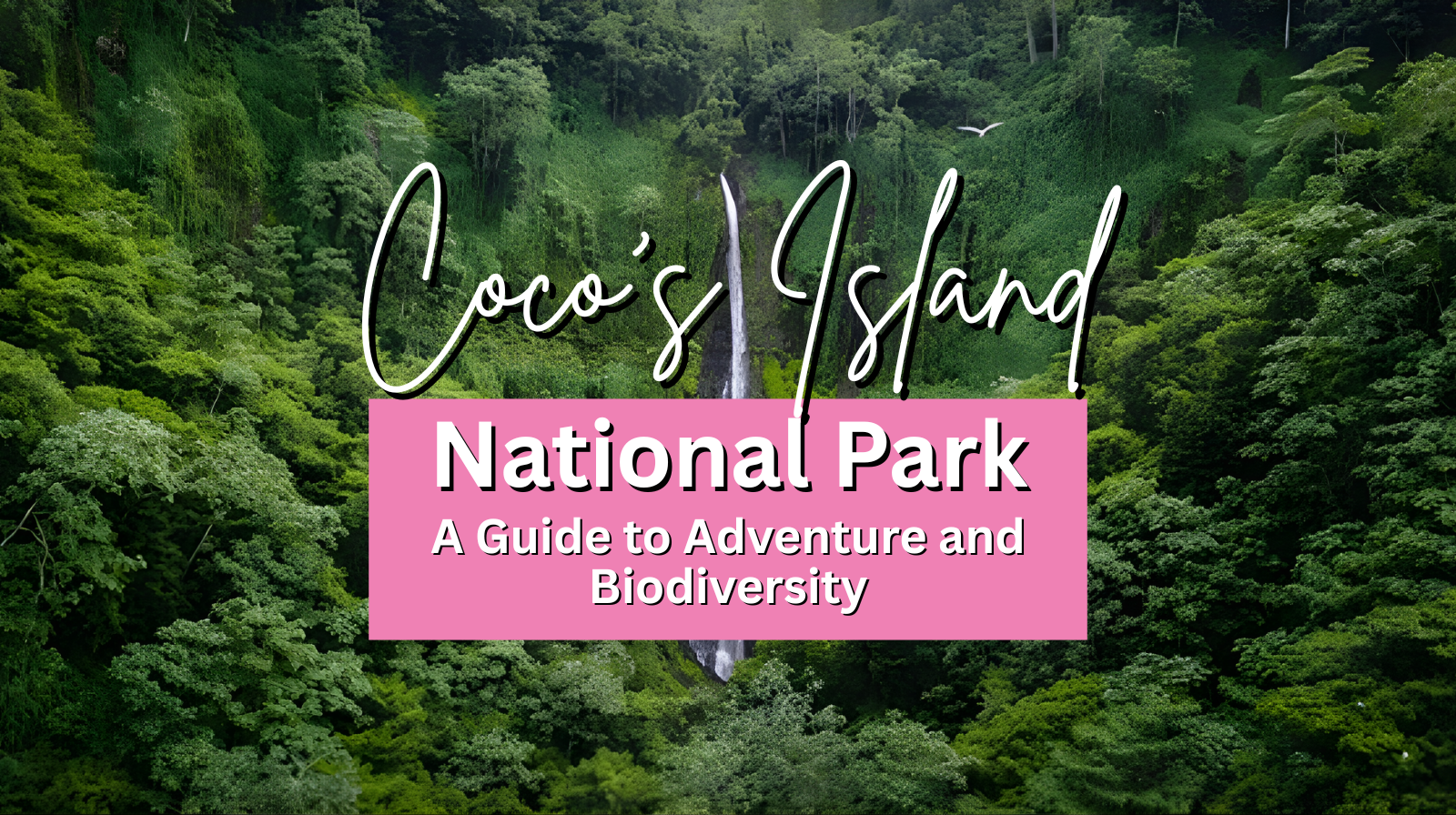
Hidden in the vast blue of the Pacific Ocean, about 550 km southwest of Costa Rica’s mainland, lies Cocos Island National Park—a true natural wonder that feels like a world frozen in time. Known for its dramatic landscapes, thriving marine life, and untouched rainforest, Cocos Island is often called “the Galápagos of Central America.” This UNESCO World Heritage Site is more than just a remote island; it’s a living laboratory of biodiversity and a dream come true for adventurers and nature lovers alike.

The Unique Ecosystem of Cocos Island
Cocos Island is unlike anywhere else on Earth. Shaped by volcanic activity millions of years ago, the island’s steep cliffs, hidden waterfalls, and lush rainforest create a self-contained ecosystem that’s been naturally protected by its isolation. The heavy rainfall—among the highest in the world—feeds countless rivers and streams, blanketing the island in dense greenery.
What makes Cocos Island truly special is that its ecosystems evolved without much human interference. This isolation has allowed many species to adapt uniquely, making the island a hotspot for endemic plants, birds, and marine creatures found nowhere else on Earth.
Biodiversity Highlights: Flora and Fauna
The island’s rainforest is home to more than 200 plant species, nearly 30 of which are endemic. You’ll find towering ferns, moss-covered trees, and orchids thriving in the misty understory. But it’s the wildlife that steals the spotlight.
Among the island’s feathered residents are the Cocos Cuckoo, Cocos Flycatcher, and Cocos Finch—three bird species found only here. Seabirds like boobies, frigatebirds, and tropicbirds nest along the rugged cliffs, filling the sky with life.
And below the waves? That’s where Cocos Island becomes legendary. The waters around the island host over 300 fish species and one of the world’s largest congregations of scalloped hammerhead sharks. Divers often encounter white-tip reef sharks, manta rays, whale sharks, dolphins, and even sea turtles gliding effortlessly through crystal-clear waters.

Adventure Activities in Cocos Island
This isn’t a typical beach destination—it’s pure adventure. Since the island is uninhabited and access is strictly controlled, activities are geared toward exploration and nature appreciation. The most popular adventures include:
- Scuba diving expeditions (multi-day liveaboard trips)
- Wildlife photography and birdwatching
- Hiking through dense rainforest trails
- Boat excursions around the island’s coves and islets
Every moment on Cocos Island feels like stepping into a National Geographic documentary—untamed, raw, and breathtakingly alive.

Best Hiking Trails and Scenic Spots
While diving steals most of the spotlight at Cocos Island National Park, its hiking trails are just as enchanting. Each path reveals a different side of the island’s soul — from cascading waterfalls to misty viewpoints that make you feel like you’ve stepped into a lost world. All trails require a certified park guide to ensure safety and environmental protection, but the experience is beyond worth it.
Trail to Chatham Bay Viewpoint: Panoramic Island Vistas
This trail is a moderate climb through dense rainforest leading to one of the most stunning lookout points on the island. As you ascend, the calls of Cocos Finches echo through the trees, and curious hermit crabs scuttle across the forest floor. At the top, you’ll be rewarded with sweeping views of Chatham Bay, where turquoise waters meet rugged volcanic cliffs. It’s a prime spot for photography and quiet reflection — a place to really soak in the island’s wild beauty.
Trail to Genio River Waterfall: A Jungle Oasis
For those craving a deeper immersion into Cocos Island’s interior, the Genio River Waterfall Trail is a must. The hike winds through thick tropical vegetation where ferns, mosses, and orchids thrive in the humid air. Along the way, you’ll cross small streams and may spot a Cocos Flycatcher darting between branches. The reward is a breathtaking waterfall plunging into a natural pool, perfect for cooling off after the trek. It’s one of the most serene spots on the island and a reminder of just how alive this ecosystem is.
Wafer Bay Trail: History Meets Wilderness
The Wafer Bay Trail starts near the park ranger station and is one of the most accessible routes for visitors. It’s not just a walk through the jungle — it’s a journey through time. Wafer Bay was once a hotspot for pirates and explorers, and remnants of that history can still be seen. Today, the trail offers a mix of tropical birdwatching, river crossings, and educational insights shared by rangers who live on the island. Expect to encounter Cocos Cuckoos, giant ferns, and perhaps even a glimpse of the shy Cocos gecko along the path.
El Pájaro Trail: The Birdwatcher’s Paradise
Less traveled but deeply rewarding, El Pájaro (meaning “The Bird”) is a haven for bird enthusiasts. This moderate trail cuts through mixed forest terrain and provides several clearings ideal for spotting endemic species. Early mornings are especially magical, with sunlight filtering through the canopy and the songs of Cocos Finches and Tropicbirds filling the air. For photographers, it’s pure paradise — every step offers a postcard-worthy shot.
Cerro Iglesias Trail: The Island’s Highest Point
If you’re seeking a challenge, the Cerro Iglesias Trail delivers. This strenuous hike takes you to the highest peak on Cocos Island, about 575 meters above sea level. The ascent is steep, humid, and muddy — but the panoramic views from the top are unforgettable. You can see the island’s full expanse: the deep green rainforest canopy, the rocky cliffs, and the endless Pacific stretching into the horizon. It’s a spiritual moment for many hikers — the ultimate reward for the adventurous heart.managed carefully to protect the fragile environment, and all hikes are guided by park staff.

Snorkeling and Diving Opportunities
Cocos Island is one of the top dive sites in the world, famous for massive schools of hammerhead sharks and extraordinary underwater visibility. Dive spots like Bajo Alcyone, Dirty Rock, and Dos Amigos are legendary among divers.
Even snorkelers can experience incredible marine life close to shore—colorful coral gardens, rays, and schools of tropical fish swirl in the shallow reefs. Because of the strong currents and remote location, diving here is recommended for advanced divers, but the reward is nothing short of magical.
Conservation Efforts and Environmental Importance
Cocos Island is a UNESCO World Heritage Site and a protected national park since 1978. Conservation here is serious business. The Costa Rican government, alongside organizations like the Cocos Marine Conservation Area (ACMC), enforces strict regulations to preserve both land and marine biodiversity.
No one lives permanently on the island except park rangers and scientists. Fishing, collecting souvenirs, or anchoring near coral areas are strictly prohibited. These measures help ensure that Cocos remains one of the most pristine ecosystems on the planet—a sanctuary for species that are threatened elsewhere.
How to Get to Cocos Island National Park
Getting to Cocos Island is part of the adventure itself. There are no regular flights—the only way to reach it is by boat from Puntarenas, Costa Rica. Most travelers join liveaboard dive expeditions, which take about 36 hours to reach the island.
These tours usually last 8 to 10 days, offering dives, guided hikes, and educational briefings about conservation. While it’s not a quick getaway, it’s a once-in-a-lifetime experience for those who love nature and adventure.

Tips for Visiting: What to Bring and Expect
Since there are no hotels or restaurants on Cocos Island, preparation is key:
- Book with a licensed liveaboard operator approved by Costa Rica’s SINAC.
- Pack essentials like biodegradable toiletries, reef-safe sunscreen, and light waterproof clothing.
- Bring dry bags for electronics and gear.
- Respect the rules—never touch wildlife or remove anything from the island.
- Expect limited connectivity—no Wi-Fi, no phone signal. It’s digital detox paradise.
Embrace the Adventure and Protect the Treasure
Cocos Island National Park isn’t just another travel destination—it’s an adventure that reconnects you with the essence of nature. From watching hammerhead sharks swirl beneath you to hiking misty trails filled with rare birds, every moment here feels sacred.
As travelers, our role is simple but powerful: to explore responsibly and protect what makes this place extraordinary. Visiting Cocos Island means becoming part of its story—a story of resilience, balance, and deep respect for the natural world.
So, if you’re ready for an adventure that challenges your spirit and renews your love for the planet, Cocos Island awaits.
