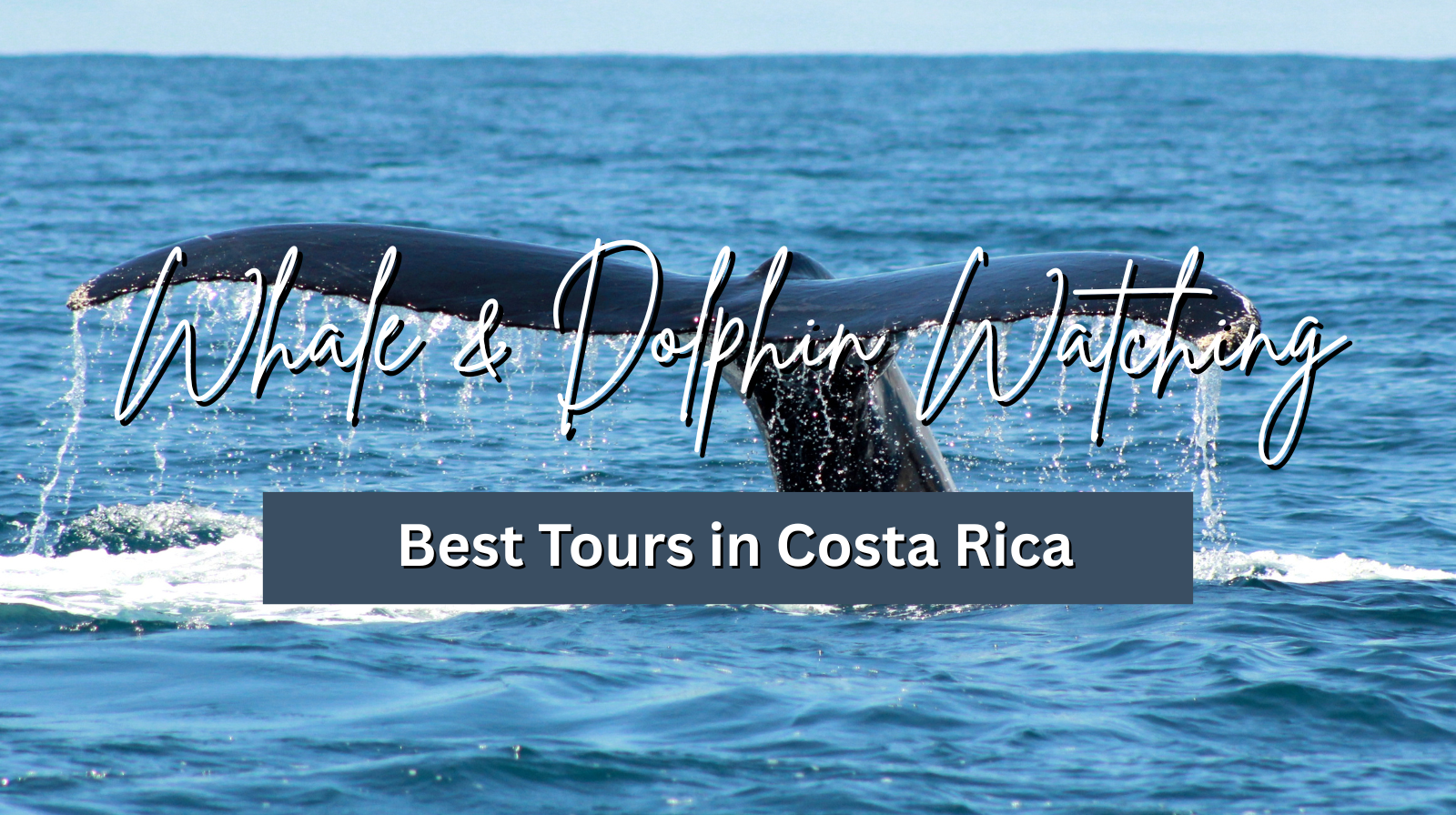
If spotting a humpback whale breach or watching a pod of dolphins race alongside your boat is on your travel bucket list, Costa Rica is one of the best places on the planet to make it happen. With warm Pacific waters, two whale migration seasons, and thriving marine ecosystems, the country offers unforgettable ocean encounters all year long.
Below, you’ll find everything you need to plan your whale and dolphin-watching adventure — the best places to go, when to visit, what species you’ll see, and the top tours that keep wildlife protection front and center.
Best Locations for Whale and Dolphin Watching

Costa Rica’s Pacific coast is a paradise for marine wildlife enthusiasts. From bustling tourist hubs to remote, untouched bays, the country offers a variety of spots where you can witness majestic whales and playful dolphins in their natural habitat. Each location has its own unique charm, landscape, and marine biodiversity, making every tour a unique adventure.
Marino Ballena National Park / Uvita
Marino Ballena National Park is often called the crown jewel of Costa Rica’s whale and dolphin watching destinations. Located in Uvita on the southern Pacific coast, this protected marine area is famous for the Whale Tail, a sandbar that resembles a whale’s tail when the tide is low. The park offers calm waters, making it ideal for spotting humpback whales performing acrobatic jumps and pods of dolphins weaving through the waves. Whether you’re on a small boat tour or kayaking near the coastline, the chances of a close encounter with these gentle giants are high.
Drake Bay & Osa Peninsula
If you’re seeking a more adventurous, off-the-beaten-path experience, Drake Bay on the Osa Peninsula is perfect. The area is surrounded by lush rainforest and pristine waters, providing a tranquil setting for marine wildlife watching. Here, you might see humpback whales breaching or playful spinner dolphins gliding alongside your boat. The Osa Peninsula’s remoteness ensures fewer crowds and a more intimate experience with nature, making it feel like your private adventure in paradise.
Golfo Dulce
Golfo Dulce, sometimes called the “Blue Gulf,” is a unique fjord-like area on the southern Pacific coast. This calm, sheltered bay is particularly popular with mothers and their calves, providing a rare opportunity to observe whale family interactions up close. The calm waters also make it a great choice for smaller vessels, paddleboarding, or kayaking tours. Visitors here often report seeing dolphins riding the bow waves of boats or humpback whales surfacing nearby — truly a magical experience for wildlife lovers.
Northern Pacific Coast & Nicoya Peninsula
While less predictable than the southern Pacific, the northern coast and Nicoya Peninsula offer excellent whale and dolphin sightings during migration periods. Areas like Tamarindo, Sámara, and Puerto Carrillo attract pods of dolphins year-round, and if you’re lucky, you might catch a glimpse of migrating humpback whales. These spots are especially great for combining wildlife watching with beach time, surfing, or exploring vibrant coastal towns.
Tamarindo, Sámara & the Nicoya Peninsula
If your readers are staying in Guanacaste and don’t want to travel far, the Nicoya Peninsula offers solid opportunities for dolphin sightings, plus seasonal whale encounters. While not as consistent as the South Pacific, the region’s large expanses of open water attract multiple dolphin species, especially around Sámara, where the relatively calm sea makes it perfect for families and beginners.
In Tamarindo, many tours combine catamaran sailing with marine wildlife watching, giving travelers a relaxed, all-in-one coastal experience. Guests may spot whales during migration months or enjoy pods of playful spinner and spotted dolphins racing alongside the boat. The sunsets in this part of Costa Rica are spectacular, which means even if whales are shy that day, the views themselves make the trip worthwhile.
When Is the Best Time to Go?

Costa Rica is unique because it gets two humpback whale migrations every year — one from each hemisphere. That means more opportunities for unforgettable encounters.
- July to October – Southern hemisphere humpbacks arrive. This is the peak season in Uvita and Osa.
- December to March – Northern hemisphere humpbacks migrate here to mate and give birth.
- Year-round – Dolphin species (like bottlenose and spinner dolphins) can be spotted in every season.
If you’re hoping to see mothers with calves, August and September are particularly magical months.
Types of Whales and Dolphins You Can See
Whales
- Humpback Whales – The main attraction. Known for dramatic breaches, long pectoral fins, and gentle interactions with their young.
- Pilot Whales – Actually part of the dolphin family, these sleek, dark cetaceans sometimes travel in tight social pods.
- Orcas (Killer Whales) – Rare, but possible. Sightings tend to be unpredictable and spread out.
Dolphins
Costa Rica’s Pacific waters are home to several species, often seen in large, active pods:
- Bottlenose Dolphins
- Spinner Dolphins (famous for their acrobatic spins!)
- Spotted Dolphins
- Rough-toothed Dolphins
- Common Dolphins
These playful groups are often the highlight of tours — especially for families and photography lovers.
Responsible Whale and Dolphin Watching Practices
Costa Rica places strong emphasis on sustainable wildlife tourism, and so should you. Here’s how to ensure your experience is ocean-friendly:
- Choose certified, responsible operators that follow distance and speed regulations.
- Avoid tours that encourage swimming with whales or dolphins — it’s not allowed in protected areas and can stress the animals.
- Opt for smaller boats or low-impact tours for a more intimate, eco-friendly experience.
- Stay patient and respectful — wildlife sightings aren’t guaranteed, and that’s part of the magic.
When you support ethical operators, you help ensure these incredible creatures stay safe for generations.
Recommended Tours and Operators

Choosing the right tour operator can make all the difference between a good day on the water and an unforgettable wildlife adventure. Costa Rica is full of experienced guides who know the waters, the whales’ migratory patterns, and the best spots for dolphins to play.
For example, in Uvita, local operators offer 2–3 hour trips that allow you to explore Marino Ballena National Park’s coastline. These tours often combine whale watching with birdwatching or snorkeling, so you can experience the park’s rich biodiversity in one outing. Imagine gliding along the turquoise waters as humpback whales breach nearby, dolphins surf your bow wave, and tropical birds soar overhead — it’s an immersive experience that stays with you forever.
In Drake Bay, tours are a little more adventurous, often lasting 4–6 hours. Small boats navigate through untouched waters where whales and dolphins thrive. Guides share fascinating insights about marine life, migration patterns, and conservation efforts, making your trip not just a sightseeing adventure but an educational journey too. Many travelers describe the feeling of seeing a mother whale with her calf as life-changing — a reminder of the ocean’s power and beauty.
Golfo Dulce tours focus on calm, intimate experiences. With fewer tourists and slower-moving boats, you can observe whales and dolphins without the rush. Paddleboarding alongside dolphins or watching a whale’s tail disappear beneath the surface can feel like a private performance just for you. These tours also highlight the importance of preserving marine habitats, teaching visitors how to interact responsibly with wildlife.
Some operators even offer multi-day whale and dolphin watching packages, where you can combine ocean excursions with rainforest hikes, snorkeling, and visits to remote islands. These experiences are perfect for travelers who want to immerse themselves fully in Costa Rica’s natural wonders while supporting sustainable tourism initiatives.
By selecting a tour with knowledgeable guides and a commitment to responsible wildlife interaction, you not only maximize your chances of sightings but also contribute to the preservation of Costa Rica’s stunning marine ecosystems.
Other Wildlife Experiences to Explore in Costa Rica

One of the magical things about Costa Rica is that a whale or dolphin tour is rarely just about whales or dolphins. The country’s oceans, rivers, and coastal forests are alive with life, and a single outing can feel like a full immersion into a tropical wildlife documentary.
Sea Turtles
While exploring the Pacific coast, especially in protected areas like Marino Ballena National Park or the Osa Peninsula, you might spot sea turtles gracefully gliding through the water. During nesting season, female turtles come ashore at night to lay their eggs, offering one of nature’s most awe-inspiring spectacles. Watching a turtle paddle through turquoise waters or surface for a breath of air is a gentle reminder of the ocean’s rhythm and resilience.
Tropical Birds
Costa Rica’s skies are filled with vibrant colors and fascinating calls. From pelicans and frigatebirds soaring over the ocean to rainbow-hued toucans and scarlet macaws flitting through nearby forests, every tour is an opportunity for birdwatchers to spot rare and exotic species. Observing these birds in action, diving for fish or calling to one another from the treetops, adds a layer of wonder to your marine adventure.
Rainforest Encounters
Many whale and dolphin watching tours pass near lush coastal rainforests. If your boat skirts the edges of rivers or secluded bays, you might glimpse howler monkeys swinging energetically between trees, iguanas basking on rocky outcrops, or even sloths slowly navigating the canopy. The blend of ocean and forest life creates a unique ecosystem where marine and terrestrial wildlife coexist in harmony.
Snorkeling and Reef Life
Some tours allow for snorkeling, giving you a chance to explore the underwater world. Colorful fish, curious rays, and delicate coral formations come alive just below the surface. For families or adventurous travelers, this is the perfect complement to watching whales and dolphins — a complete marine immersion.
Unexpected Encounters
Costa Rica’s wildlife has a way of surprising you. A pod of dolphins may suddenly appear out of nowhere, a whale might breach just a few meters from your boat, or you might see an unusual seabird you’ve never encountered before. These spontaneous moments — full of energy, color, and movement — are often the ones that stay etched in your memory forever.
By exploring Costa Rica’s wildlife beyond the whales and dolphins, your adventure becomes richer, more dynamic, and deeply connected to the natural world. Every glance over the bow, every ripple in the water, and every call from the treetops is a reminder that you’re part of an extraordinary ecosystem — one worth cherishing and protecting.
Tips for Capturing the Perfect Photos
Getting that “wow” shot takes a bit of strategy:
- Use burst mode to catch action like breaches or dolphins leaping.
- Keep your camera ready — whales often appear suddenly.
- Shoot with the sun behind you to avoid silhouettes.
- Stay steady by leaning against the boat railing.
- Capture context — including the ocean and mountains adds drama.
- Be patient. Nature rewards the observant.
And remember: sometimes the best moments are the ones you simply witness, not photograph.
Making the Most of Your Encounter

Whale and dolphin watching in Costa Rica is more than just a sightseeing activity — it’s a chance to connect with nature in its most vibrant and powerful form. From the first glimpse of a humpback’s tail slicing through the water to a pod of spinner dolphins leaping alongside your boat, these moments remind us of the magic and unpredictability of the natural world.
To truly make the most of your encounter, approach it with patience, curiosity, and respect. The ocean doesn’t operate on a schedule, and part of the thrill is embracing the unexpected. Even if a whale doesn’t appear right away, the journey itself — the smell of salt in the air, the gentle rocking of the boat, the tropical birds overhead, and the feeling of endless blue around you — is part of the adventure.
Take your time to soak in every detail: the playful arcs of dolphins, the deep, rhythmic exhalations of whales, the sunlight dancing on the waves. Use your camera or smartphone to capture memories, but also allow yourself to simply be present. Some of the most unforgettable moments are those you feel rather than photograph — the excitement of a first sighting, the awe at witnessing a calf nuzzle its mother, or the serenity of gliding silently through pristine waters.
Pair your ocean adventure with the incredible biodiversity that Costa Rica offers. Explore nearby rainforests, spot monkeys and sloths along the coastline, or discover vibrant marine life beneath the surface. Each experience layers onto the other, creating a full, immersive journey that goes beyond a simple boat ride.
Finally, choose tours that prioritize sustainability and respect for wildlife. By doing so, you help preserve the oceans and their incredible inhabitants for future generations of travelers. Your encounter becomes not just a personal adventure, but part of a larger story — a story of connection, conservation, and appreciation for the wonders of the natural world.
Costa Rica’s waters are waiting, full of life, energy, and unforgettable experiences. Whether it’s your first encounter or one of many, embracing the moment fully ensures that the memory of whales breaching, dolphins dancing, and the ocean stretching endlessly before you will stay with you long after you return to shore.
