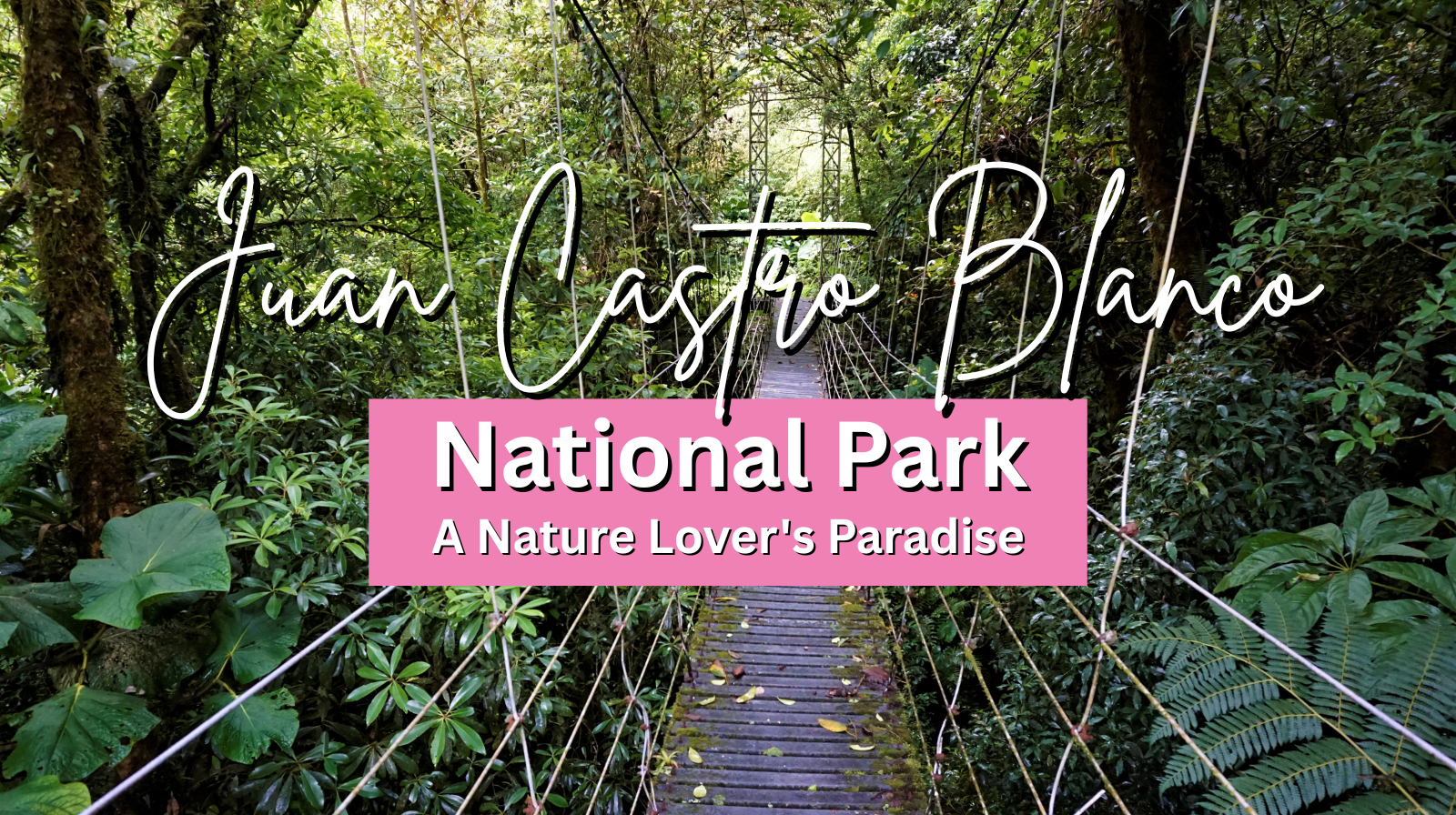
If you love lush forests, crisp mountain air, and ecosystems that feel untouched by time, Juan Castro Blanco National Park is the kind of place that will leave you speechless. Often overshadowed by Costa Rica’s more famous parks, this northern highland treasure is quietly becoming a favorite for hikers, birdwatchers, and travelers seeking authentic nature experiences far from the crowds.
Known as “El Parque del Agua” for the way its cloud forests feed dozens of rivers, this park is one of the country’s most important ecological sanctuaries — and a genuine paradise for nature lovers.
Let’s dive deeper into what makes it so special.
Unique Flora and Fauna of the Park

Cloud Forest Vegetation and Unique Plant Life
uan Castro Blanco’s cloud forests are the beating heart of the park — humid, mist-covered ecosystems that feel like something out of a fantasy novel. Thanks to the high elevation and constant moisture, this forest is overflowing with rare and spectacular plant life.
The canopy is dominated by towering oak trees that can reach over 40 meters in height. Their branches are heavy with epiphytes, including mosses, ferns, bromeliads, and orchids that cling to the bark and thrive in the cool, moist air. The park is known for hosting more than 100 native orchid species, some of which are so tiny you’d miss them unless you look closely.
One of the botanical stars of the region is the Jícaro Danto, a unique tree species rarely found outside this part of Costa Rica. Its round, thick fruit is a favorite snack for tapirs and other mammals, helping sustain the area’s delicate web of life.
This lush vegetation plays a strategic role in capturing water from passing clouds — essentially turning the forest into a living sponge that feeds rivers and keeps the region green year-round.
Mammals of the Cloud Forest
While the dense forest makes wildlife sightings a bit of a challenge, Juan Castro Blanco is home to an impressive variety of mammals that thrive in its protected habitats.
One of its most important residents is the Baird’s tapir, Costa Rica’s largest land mammal and a species considered endangered. The tapir plays a critical ecological role as a seed disperser, helping maintain the forest’s diversity. Spotting one feels like winning a wildlife lottery — they’re shy, but their footprints are commonly seen near remote trails and stream edges.
The park also shelters elusive wild cats such as the ocelot and the margay, thanks to its healthy, undisturbed forest corridors. Though rarely seen, knowing they are present speaks volumes about the park’s conservation success.
Other mammals include:
- White-nosed coatis moving in family groups
- Armadillos shuffling through underbrush
- Porcupines tucked into high branches
- White-tailed deer grazing in quiet clearings
These animals benefit from the park’s low human traffic, which keeps the ecosystem truly wild and undisturbed.
Birdlife: A Paradise for Birdwatchers
Juan Castro Blanco is one of Costa Rica’s most rewarding birdwatching destinations — especially if you’re aiming for rare and high-elevation species.
The star of the show is the Resplendent Quetzal, often spotted during the breeding season between February and June. The males display their iridescent green feathers and long tail plumes as they feed on aguacatillo trees — a perfect photo opportunity if you’re lucky enough to catch the moment.
Equally exciting is the chance to spot the Bare-necked Umbrella Bird, an iconic species that has become increasingly rare throughout Costa Rica. The montane forests of Juan Castro Blanco are one of the few places where small populations still survive.
Other bird species commonly seen include:
- Three-wattled bellbirds, famous for their metallic “bonk” call
- Emerald toucanets, hopping through mid-canopy branches
- Black guans, large endemic birds gliding across the forest
- Collared trogons and mountain robins
- Several species of hummingbirds, including the fiery-throated hummingbird
For bird photographers, the park offers golden opportunities — especially during early morning hours when the forest awakens with bird song.
Reptiles, Amphibians, and Insects
The constant moisture and cool temperatures create ideal conditions for a fascinating array of amphibians and smaller forest creatures. These often-overlooked species are vital indicators of the park’s health.
You can find:
- Glass frogs with translucent skin resting on leaves over streams
- Tree frogs that come alive after sunset
- Highland toads unique to Costa Rican mountains
Although reptile diversity is lower in cloud forests compared to lowland jungles, the park still houses:
- Small forest snakes
- Lizards adapted to the cool environment
- Occasional sightings of vine snakes camouflaged in branches
Insects add another layer of magic. Colorful butterflies, metallic beetles, and delicate moth species flutter around the trails. The forest floor is alive with leafcutter ants carrying tiny green flags of vegetation — a natural performance that never gets old.
These miniature residents are crucial for pollination, decomposition, and overall ecological balance. They’re the unsung heroes that keep the ecosystem running smoothly.
Best Hiking Trails for Nature Enthusiasts

Unlike Costa Rica’s commercial parks, Juan Castro Blanco offers raw, authentic, and wild hiking experiences. Trails vary from short scenic walks to long, challenging treks.
Laguna Pozo Verde Trail
If you want a hike that perfectly captures the magic of Juan Castro Blanco, the Laguna Pozo Verde Trail delivers from the very first step. This moderate route takes you deep into the cloud forest, along soft, moss-covered paths and beside small trickling streams. The payoff is stunning — an emerald-green crater lagoon surrounded by thick vegetation and often wrapped in mist. Early mornings are especially beautiful, when the surface is still and reflective. It’s a peaceful, atmospheric hike where you can spot birds, orchids, and plenty of epiphytes along the way.
Bosque del Niño Trails
The Bosque del Niño area offers a network of well-marked, family-friendly trails perfect for hikers who want something scenic without being too demanding. You’ll wander under towering oaks draped in bromeliads and pass gentle streams that thread through the forest. The trails here offer a sense of calm and accessibility — ideal for travelers who want to enjoy nature at a relaxed pace. This zone is especially beautiful in the early morning when soft sunbeams filter through the canopy and the forest feels peaceful and freshly awakened. It’s also a great spot for spotting hummingbirds darting through the understory.
Cerro Pelón Route
If you’re in the mood for something more challenging, the Cerro Pelón Route is your go-to. This trail climbs steadily through cloud forest before opening up onto higher, more exposed terrain with incredible views of the surrounding mountains. On clear days, the panoramic scenery is absolutely unforgettable. Because this route sees fewer visitors, it also offers a strong sense of solitude — perfect for hikers who enjoy quiet, introspective treks. The elevation changes mean temperatures can drop quickly, so pack layers and be ready for shifting weather.
Aguas Zarcas Waterfall Trails
For waterfall lovers, the Aguas Zarcas Waterfall Trails feel like discovering a hidden world. These rugged, less-maintained paths take you through sections of dense forest toward beautiful cascades tucked away in the terrain. Expect muddy patches and steeper sections, especially during the rainy season — but the reward is a raw, immersive hiking experience with very few crowds. The sound of flowing water leads the way, creating a sense of anticipation as you approach each waterfall. This is a trail for adventure-seekers who don’t mind getting a little dirty in the name of exploration.
Wildlife Watching Opportunities
Spotting wildlife here requires patience — but the reward? Pure magic.
Your best strategy:
- Start at sunrise when birds and mammals are active
- Stick to quiet trails like those near Pozo Verde
- Use binoculars to scan canopy layers
- Move slowly and stay observant
Prime wildlife zones include:
- Edges of cloud forests where quetzals feed
- Riparian corridors where tapirs wander
- Elevated ridges where hawks and vultures soar
- Forest clearings where monkeys and coatis forage
If you want to maximize sightings, hiring a local guide is a strategic move — they know tracks, sounds, and behavior patterns.
The Importance of Conservation in Juan Castro Blanco

This park plays a massive role in Costa Rica’s environmental resilience.
Here’s why:
1. It Protects Critical Water Sources
The park is the birthplace of rivers like:
- Toro River
- Aguas Zarcas River
- Platanar River
These rivers supply drinking water, irrigation, and hydroelectricity for much of the northern region.
2. It Preserves Cloud Forest Ecosystems
Cloud forests are extremely vulnerable to climate change. Protecting them means safeguarding:
- Biodiversity
- Water cycles
- Endemic plants
- High-altitude birds
3. It Maintains Wildlife Corridors
Juan Castro Blanco connects to other protected areas, allowing animals like jaguars, tapirs, and birds to roam freely.
4. It Supports Sustainable Tourism
By keeping visitation low-impact, the park maintains:
- Clean ecosystems
- Healthy species populations
- Long-term conservation outcomes
Every responsible visitor contributes to its protection.
Seasonal Highlights: When to Visit
If you’re planning a trip to Juan Castro Blanco National Park, timing can genuinely shape your experience. This high-elevation gem sits in a region influenced by cloud forest weather patterns, meaning misty mornings, magical fog banks, and lush greenery year-round. But each season brings its own flavor — and understanding these shifts helps you get the most out of your adventure.
Dry Season (December–April): Clear Views & Prime Hiking Conditions
The dry season is the park’s “golden window,” especially if you’re chasing incredible visibility and trail-friendly conditions. Days tend to be sunnier, the cloud cover lifts earlier, and viewpoints reward you with sweeping panoramas of rolling hills, volcanic formations, and dense green canopy.
Hikers love this season for good reason — the trails are firmer, rivers run lower, and wildlife is easier to spot as animals move in search of fresh water sources. Birdwatchers especially score big: species like the black guan, emerald toucanet, and various hummingbirds are extremely active on these bright mornings.
This period is also perfect if you want to photograph the Poás, Arenal, and Cerro Platanarand
Green Season (May–November): Waterfalls, Lush Forests & Fewer Crowds
When the rains return, Juan Castro Blanco transforms into a wild, vibrant, deeply atmospheric paradise. This is when the cloud forest truly flexes its muscles — waterfalls swell, moss carpets every surface, and the mist gives the forest that fairytale, otherworldly feel.
The rain tends to follow a predictable rhythm: clearer mornings, showers in the afternoon. So with an early start, you can still enjoy unforgettable hikes.
This season is also incredible for nature lovers searching for that raw Costa Rican jungle vibe. Amphibians become more active, orchids bloom like crazy, and the whole forest buzzes with life. Plus, fewer travelers visit during this time, so you’ll enjoy quieter trails and a deeper sense of immersion.
Best Times for Wildlife Watching
While wildlife is abundant year-round, certain months give you a strategic edge:
- Birdas food
- Amphibian lovers should target May–August, when rainfall brings frogs and salamanders out of hiding.
- Mammal activity stays fairly steady, but you’ll have the best odds of spotting tapirs or white-faced monkeys during early morning hours in any season.
Temperature & Climate Overview
Because of the park’s elevation, temperatures stay cool and fresh all year. Expect:
- Daytime: 15°C–22°C (59°F–72°F)
- Night 10°C–15°C (50°F–59°F)
Bring layers — even in the dry season — because the mountain breeze can surprise you.
So… When Should You Go?
- Prefer clear skies, easier trails, and big views? Go in the dry season.
- Want dramatic scenery, fewer people, and lush rainforest energy? The green season is pure magic.
- Focused on birds or photography? Late March–May hits the sweet spot.
No matter when you go, the park delivers — it just shifts between “stunning” and “jaw-dropping.”
Activities for Adventure Seekers

Juan Castro Blanco National Park isn’t just a peaceful cloud forest retreat — it’s a high-altitude playground for travelers who crave deeper, wilder, more immersive experiences. If you’re the kind of explorer who prefers muddy boots, elevated heart rates, and stories worth bragging about, this park delivers in spades. Here are the top adventure-driven activities that transform a simple visit into an unforgettable expedition.
Hiking Through Lush Cloud Forest Trails
If you love the thrill of discovering new terrain, the park’s rugged trail network is your perfect match. These routes take you across volcanic slopes, through mist-laced forests, and into remote sections of pristine habitat that most travelers never see.
You’ll climb over roots, navigate soft forest floors, feel the temperature shift as the canopy thickens, and hear the distinct calls of birds echoing through the valley. It’s physical, immersive, and incredibly rewarding — especially when the trees suddenly part to reveal sweeping views of Cerro Platanar or glistening highland rivers.
Birdwatching Expeditions for Rare Sightings
Adventure isn’t always about speed — sometimes it’s about patience, strategy, and a good pair of binoculars. Juan Castro Blanco is a dream destination for birdwatchers who want to chase rare species in their natural environment.
Here, you can track the movement of hummingbirds darting between bromeliads, follow the calls of the black guan, or scan the treetops for emerald toucanets and tanagers. With the park’s high biodiversity and cloud forest habitat, each outing feels like a treasure hunt. Whether you join a guided tour or go solo, every sighting is a thrill.
Exploring Volcanic Landscapes and Hot Springs
Locals call this region the “Parque de Aguas” (Park of Waters) because of the vast underground volcanic activity that feeds rivers, springs, and mineral-rich waters. Adventure seekers can explore the geothermal side of Juan Castro Blanco through off-the-beaten-path viewpoints, volcanic rock formations, and naturally warm streams that appear unexpectedly along the trails.
While the park itself maintains a strict conservation policy, nearby communities like Bajos del Toro offer accessible, adrenaline-friendly hikes to powerful waterfalls, hidden canyons, and hot springs surrounded by dense forest. It’s adventure with a touch of luxury — nature’s version of a spa day.
Waterfall Trekking in Nearby Bajos del Toro
If chasing waterfalls fuels your adventurous spirit, you’re in for a treat. The region surrounding Juan Castro Blanco is famous for some of Costa Rica’s most dramatic cascades, many requiring a bit of physical effort to reach — perfect for adrenaline lovers.
Trails often involve steep descents, suspension bridges, wooden staircases, and moss-covered steps that test your balance. But the payoff? Roaring waterfalls like Catarata del Toro and Blue Falls, each framed by vibrant mineral pools and lush canyon walls. It’s the kind of adventure that leaves you breathless — both from the climb and the beauty.
Photography Safaris in the Mist
For adventure travelers who carry a camera, the park becomes a playground for dramatic, moody photography. The shifting fog, powerful light beams filtering through the canopy, moss-covered trees, and birdlife in motion bring endless opportunities for dynamic shots.
This activity blends exploration with creativity — scrambling over rocks, climbing small ridges, waiting for the perfect moment when the cloud cover parts. Adventure and artistry fuse into one unforgettable experience.
Tips for Planning Your Visit
To keep things smooth and safe, stack your visit with these best practices:
- Use a 4×4 vehicle, especially in the rainy season
- Hire a certified local guide
- Bring layers — temperatures swing fast
- Carry snacks and plenty of water
- Wear waterproof boots
- Pack binoculars and a long lens for wildlife and landscapes
- Start hikes early for better weather and better wildlife
This is a remote, wild park — preparation makes the journey even more rewarding.
Nearby Attractions and Accommodations

One of the highlights of visiting Juan Castro Blanco National Park is how much there is to explore right beyond its borders. This region is packed with waterfalls, canyons, charming mountain towns, and peaceful eco-lodges — all perfect for extending your adventure. Whether you’re planning a weekend escape or a slow-travel immersion in Costa Rica’s highlands, here are the top nearby attractions and places to stay.
Nearby Attractions
Bajos del Toro: Waterfalls, Canyons & Turquoise Rivers
Just a short drive from the park, Bajos del Toro is home to some of Costa Rica’s most jaw-dropping natural wonders. This quiet mountain destination is shaped by volcanic forces, creating dramatic landscapes that feel untouched and wild.
Top attractions include:
- Catarata del Toro – A massive 90-meter waterfall plunging into an ancient volcanic crater.
- Blue Falls of Costa Rica – A series of bright turquoise waterfalls fed by mineral-rich springs.
- Hidden forest trails and natural pools ideal for photographers, hikers, and anyone seeking off-the-beaten-path magic.
This area is a must for adventure lovers who enjoy dramatic scenery and physically engaging hikes.
Zarcero: Whimsical Gardens and Local Culture
For a softer, slower-paced experience, Zarcero delivers a charming cultural break. The town’s centerpiece, Parque Francisco Alvarado, features famous topiary gardens shaped into arches, animals, and playful designs — a fun stop for families and photographers.
Zarcero also offers:
- Local bakeries with traditional pastries
- Artisan shops selling cheeses, jams, and handmade goods
- Beautiful highland views perfect for a relaxed afternoon
It’s an ideal stop if you want a cozy cultural moment between hikes.
Río Toro Amarillo: Hot Springs & Volcanic Wellness
If you’re craving rest after exploring the park, the hot springs around Río Toro Amarillo offer the perfect reset. These geothermal waters are naturally warmed by underground volcanic activity and surrounded by dense forest.
Expect:
- Peaceful, rustic hot springs
- Mineral-rich pools tucked into the landscape
- Small cafés serving fresh trout and homemade tortillas
This is where adventure meets relaxation — nature’s own wellness retreat.
Where to Stay Near Juan Castro Blanco National Park
Accommodations in the region prioritize sustainability, comfort, and complete immersion in nature. You won’t find big hotels here — instead, you’ll discover intimate stays that showcase Costa Rica’s warm hospitality.
Boutique Eco-Lodges
Boutique eco-lodges in Bajos del Toro and nearby communities are perfect for travelers who want comfort without losing connection to the forest.
These lodges typically offer:
- Floor-to-ceiling forest or mountain views
- Private balconies and fireplaces
- Organic, farm-to-table meals
- Onsite trails and birdwatching areas
They’re peaceful, cozy, and designed for travelers who want a refined nature experience.
Rustic Mountain Cabins
If you’re craving simplicity and solitude, rustic mountain cabins provide a tranquil home base close to the park.
You’ll find:
- Wood cabins with panoramic views
- Crisp mountain air and quiet nights
- Easy access to waterfalls and rivers
- Budget-friendly rates ideal for longer stays
Perfect for photographers, writers, and couples seeking a peaceful escape.
Family-Run Inns in Zarcero
For a more cultural touch, Zarcero’s family-run inns offer genuine Costa Rican hospitality.
Expect:
- Home-cooked breakfasts
- Clean and comfortable rooms
- Personalized tips from locals
- A convenient base for exploring both the park and nearby towns
This option blends comfort, culture, and accessibility.
Why Staying Nearby Enhances Your Experience
Staying close to Juan Castro Blanco allows you to:
- Catch early-morning wildlife activity
- Experience magical cloud forest sunrises
- Explore multiple attractions without long travel times
- Break up hikes and adventures into manageable, enjoyable days
Whether you choose a waterfall lodge, a cozy cabin, or a local inn, the accommodations surrounding the park elevate your entire trip — grounding you in nature, culture, and the peaceful rhythm of Costa Rica’s highlands.
Embracing the Beauty of Nature

Visiting Juan Castro Blanco National Park isn’t just another stop on your Costa Rica itinerary — it’s an invitation to slow down, reconnect, and remember why untouched nature matters. This park delivers an experience that feels raw, authentic, and deeply grounding. From mist-covered cloud forests to volcanic lakes, from rare wildlife sightings to peaceful moments beside crystal-clear streams, every step here reminds you just how alive the highlands truly are.
What makes Juan Castro Blanco so special is its purity. It’s still largely undiscovered by the average traveler — which means you get to explore an environment that feels genuinely intimate. Whether you’re trekking to Pozo Verde, birdwatching at sunrise, chasing waterfalls in nearby Bajos del Toro, or soaking in mountain hot springs, the region offers a rare chance to experience Costa Rica beyond the usual tourist paths.
And as you take it all in, it becomes clear why protecting places like Juan Castro Blanco is essential. This park isn’t just a scenic escape — it’s a living reservoir of biodiversity, freshwater, and volcanic energy that sustains communities and ecosystems far beyond its borders. Traveling here with intention helps keep it that way.
So if you’re a nature lover, a hiker, a photographer, or simply someone craving a deeper connection to the outdoors, this national park delivers an unforgettable experience. Let its quiet trails, cool mountain air, and lush forests remind you of the magic that happens when we allow nature to simply be.
When you’re ready to explore Costa Rica’s hidden highlands, Juan Castro Blanco National Park is waiting — serene, powerful, and absolutely breathtaking.
