In Costa Rica, travelers find some of the most authentic experiences far beyond beaches and rainforests, through cultural and Indigenous community visits. These experiences allow visitors to connect directly with living traditions, ancestral knowledge, and communities that continue to shape the country’s identity. For those seeking adventure with purpose, Indigenous tourism offers depth, meaning, and genuine human connection.
Across Indigenous territories, families share stories passed down for generations, prepare traditional meals using ancestral techniques, and maintain a deep relationship with the land. Visitors don’t just observe; they learn, participate, and gain perspective. Each visit creates an opportunity to support cultural preservation while experiencing Costa Rica in a more intentional and respectful way.
As responsible travel grows in importance, Indigenous community visits in Costa Rica stand out as meaningful alternatives to mass tourism. They transform a trip into an exchange, one rooted in respect, sustainability, and cultural understanding, leaving travelers with memories that extend far beyond the journey itself.

Historical Overview of Indigenous Communities in Costa Rica
Long before Costa Rica became known for pura vida, Indigenous peoples shaped its land, traditions, and worldview. Archaeological evidence shows communities thriving here for over 12,000 years, developing complex social structures, agriculture, spiritual systems, and trade networks.
Despite colonization and centuries of pressure, many Indigenous groups preserved their customs, languages, and connection to the land. Today, Costa Rica officially recognizes 24 Indigenous territories, a strategic move toward cultural protection, though challenges remain.
Key Indigenous Groups and Their Unique Traditions
Costa Rica is home to eight officially recognized Indigenous groups, each with its own cultural value proposition:

Bribri: Guardians of Cacao and Spiritual Knowledge
The Bribri people, primarily located in the Talamanca region, are one of Costa Rica’s most culturally preserved Indigenous groups. Their society is matrilineal, meaning land, lineage, and spiritual authority pass through women, an uncommon and powerful structure that still shapes daily life.
Cacao holds sacred value for the Bribri. Bribri communities treat cacao as a sacred spiritual connector and use it in ceremonies, storytelling, and rites of passage. Their cosmology ties directly to nature, where mountains, rivers, and forests exist as living beings rather than exploitable resources.A visit to a Bribri community often includes guided forest walks, traditional cacao preparation, and storytelling led by elders.
Cabécar: Keepers of Ancestral Wisdom
Often living in more remote areas of the Cordillera de Talamanca, the Cabécar are known for their strong resistance to cultural assimilation. This isolation has helped them preserve their language, spiritual beliefs, and traditional medicine.
Cabécar life revolves around harmony with nature. Shamans, known as awá, play a central role in spiritual and physical healing. Their traditions emphasize balance, between humans, animals, and the natural world. Visitors may learn about medicinal plants, sacred symbols, and sustainable living practices passed down for generations.
Boruca: Masters of Mask-Making and Cultural Resistance
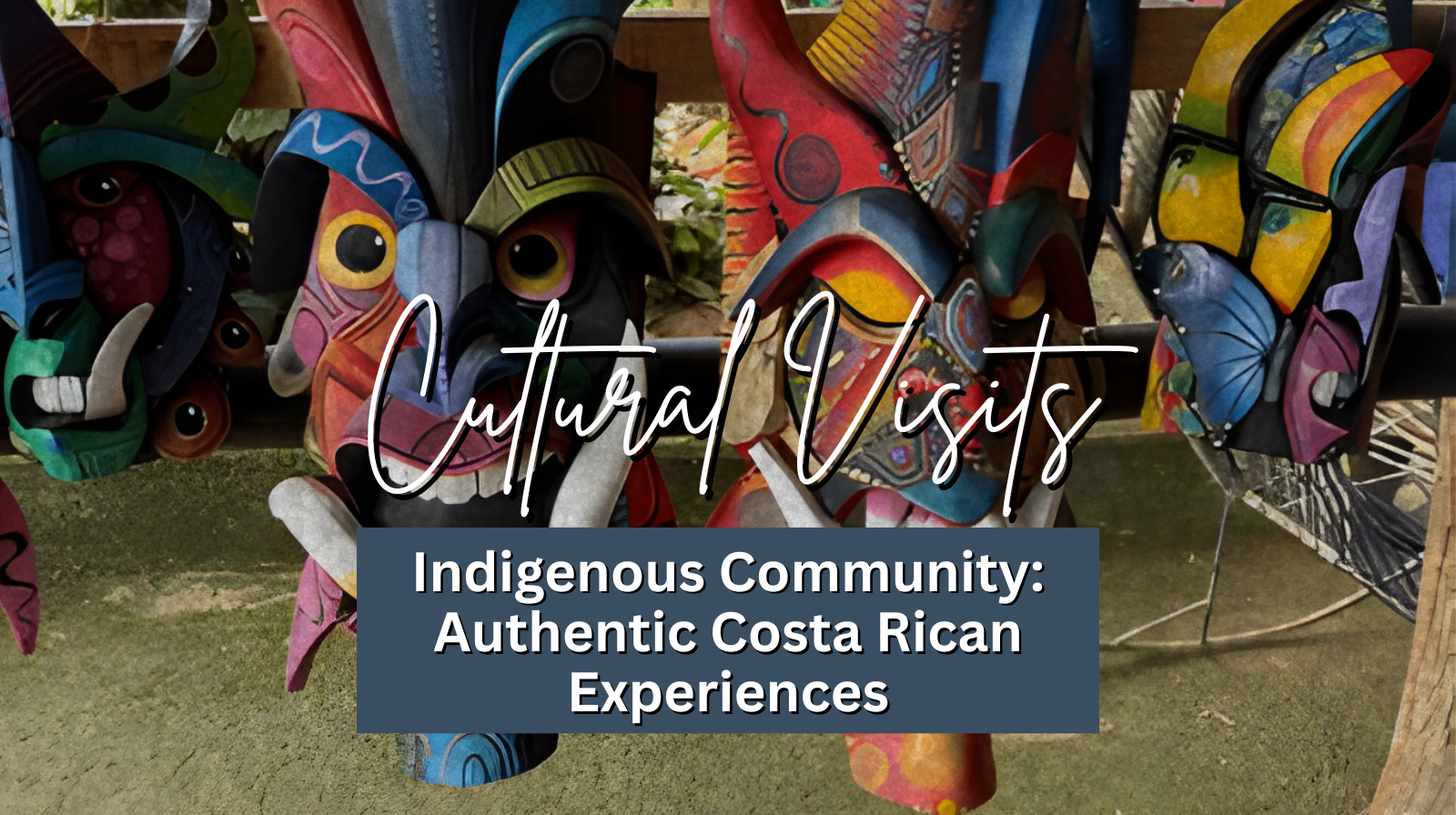
The Boruca community, located in southern Costa Rica, is internationally recognized for its intricate wooden masks and the annual Juego de los Diablitos festival. These masks are more than art, they’re cultural statements representing resistance against Spanish colonization.
The festival reenacts the struggle between Indigenous peoples (the “little devils”) and the conquistadors. It’s a powerful mix of dance, music, storytelling, and identity affirmation. Boruca artisans continue to hand-carve and paint masks using traditional methods, making their craftsmanship a cornerstone of cultural preservation and economic sustainability.
Maleku: Storytellers of the Northern Plains
The Maleku people inhabit the northern lowlands near the San Carlos region. Their culture is deeply rooted in oral tradition, with history and spiritual knowledge passed through stories rather than written records.
Maleku spirituality centers on rivers, animals, and celestial bodies. Storytelling sessions often explain the origins of the world, moral values, and natural laws. Visitors can participate in cultural walks, traditional dances, and lessons on ancestral medicine. Supporting Maleku-led tourism initiatives directly contributes to the survival of their language and traditions.
Ngäbe (Guaymí): Skilled Artisans and Migratory Farmers
The Ngäbe people are one of the largest Indigenous groups in Central America, with communities spanning Costa Rica and Panama. In Costa Rica, they are mainly found in the southern Pacific and border regions.
They are renowned for their textile art, colorful traditional clothing, and intricate beadwork. Many Ngäbe families practice seasonal migration tied to agricultural cycles, a tradition that reflects adaptability and resilience. Community visits often highlight artisan workshops, music, and storytelling that reveal how identity is maintained across borders and generations.
Térraba (Teribe): Protectors of Language and Land
Closely related to the Teribe people of Panama, the Térraba community has made significant efforts to revitalize their language and cultural practices after decades of decline.
Music, dance, and collective ceremonies play a central role in strengthening community bonds. Térraba-led cultural initiatives focus heavily on youth education, ensuring traditions are not only remembered but actively practiced. Visiting these communities offers insight into cultural resilience and the ongoing fight for land rights.
Huetar: Ancestral Roots of Central Costa Rica
Although fewer in number today, the Huetar people are historically significant, as much of central Costa Rica was once Huetar territory. Many place names in the country originate from their language.
While colonization heavily impacted their traditions, modern Huetar communities are working to reclaim identity through crafts, storytelling, and historical education. Learning about the Huetar provides crucial context for understanding Costa Rica’s pre-colonial history and cultural evolution.
Chorotega: Legacy of Mesoamerican Influence
The Chorotega people, primarily associated with Guanacaste, brought strong Mesoamerican influences to Costa Rica, especially in ceramics, agriculture, and social organization.
Their legacy lives on through pottery techniques, corn-based cuisine, and regional traditions still practiced today. Cultural visits often include pottery demonstrations and insights into how Chorotega knowledge shaped modern Costa Rican culture, particularly in food and art.
Each visit offers a distinct experience, no copy-paste tourism here.

The Role of Eco-Tourism in Cultural Preservation
When done right, eco-tourism is a win-win strategy. Indigenous-led tourism initiatives allow communities to monetize their knowledge without commodifying it. Revenue supports education, land protection, and cultural continuity.
You’re not just a visitor, you’re a stakeholder. Your presence helps keep traditions alive while reinforcing sustainable development over mass tourism.
Festivals and Celebrations: A Window into Costa Rican Culture
Festivals are where culture comes alive. Music, masks, dance, and storytelling turn history into experience.
Highlights include:
- Juego de los Diablitos (Boruca & Rey Curré) – A symbolic reenactment of Indigenous resistance.
- Cacao Ceremonies (Bribri) – Spiritual gatherings honoring nature and ancestry.
- Harvest Celebrations – Rooted in gratitude and community collaboration.
These aren’t performances, they’re expressions of identity.

Traditional Cuisine: Flavors of Costa Rica
Indigenous cuisine in Costa Rica is not about recipes, it’s about ritual, survival, and transmission of knowledge. Food is medicine, ceremony, and storytelling all at once. Every ingredient comes from the land, every preparation has a reason, and every meal reinforces community bonds.
Here are some of the most deeply rooted Indigenous foods and beverages you may encounter during cultural visits.
Chicha: The Sacred Fermented Drink
Chicha is one of the oldest traditional beverages in Costa Rica and Central America. Made primarily from fermented corn, and in some communities from cassava (yuca) or fruits, chicha is closely tied to ceremonies, celebrations, and communal gatherings.
Preparation is often led by women and can take several days. The process itself is ceremonial, symbolizing transformation, patience, and respect for natural cycles. Chicha is typically shared during festivals, rites of passage, or moments of collective importance.
This is not a commercial drink, it’s an act of trust when offered.
Traditional Tamales: More Than a Holiday Dish
Unlike the Christmas tamales most visitors know, Indigenous tamales are year-round staples with regional variations depending on the community.
They are made using:
- Stone-ground corn dough
- Fillings like squash, beans, wild herbs, or local meats
- Wrapped in banana or bijao leaves, not aluminum or plastic
Tamales are often prepared collectively, reinforcing family ties and intergenerational learning. In many communities, children learn traditions by participating in tamale-making long before they can cook independently.
Corn (Maíz): The Foundation of Life
Corn is sacred across Indigenous cultures in Costa Rica. It’s not just food, it’s origin mythology. Many creation stories describe humans as being made from corn.
Corn is used in:
- Tortillas cooked on clay or stone griddles
- Atoles (thick, warm corn-based drinks)
- Chorreadas (corn pancakes)
- Ceremonial breads and offerings
Every stage, from planting to harvesting to grinding, is intentional and often accompanied by spiritual meaning.
Tubers and Roots: Food Security from the Forest
Indigenous diets rely heavily on yuca, ñampí, tiquizque, and sweet potatoes, which thrive in tropical climates and require minimal environmental disruption.
These roots are:
- Boiled or roasted over open fire
- Mashed into doughs
- Combined with herbs for medicinal purposes
Their importance goes beyond nutrition, they represent resilience and food sovereignty.
Cacao: A Spiritual Ingredient
Especially among the Bribri and Cabécar, cacao is not consumed casually. It’s prepared during ceremonies, storytelling sessions, and spiritual teachings.
Cacao drinks are typically unsweetened or lightly flavored with natural spices. The focus is not taste, but connection, to ancestors, to the land, and to collective memory.
Wild Herbs, Leaves, and Medicinal Foods
Indigenous cooking integrates plants most outsiders would overlook:
- Wild greens
- Medicinal leaves
- Forest herbs used for digestion, energy, or healing
Meals are designed to support the body, not overstimulate it. Food and medicine often overlap.

Language and Communication Among Indigenous Peoples
Language is more than words, it’s intellectual property, worldview, and cultural continuity. Many Costa Rican Indigenous languages are still actively spoken today, though several are endangered. Learning even a few basic terms creates instant rapport and signals respect.
Below are commonly shared words from key Indigenous languages you’re most likely to encounter during community visits.
Bribri Language
Region: Talamanca (Caribbean side)
Language family: Chibchan
- Yam – Hello
- Së̀r – Thank you
- Aláköl – Cacao
- Usuré – River
- Sibö̀ – Creator / God
Cacao and spirituality dominate Bribri language, reinforcing their worldview where nature and cosmology are inseparable.
Cabécar Language
Region: Cordillera de Talamanca
Language family: Chibchan
- Yam – Hello
- Së̀r – Thank you
- Jkë́ – Water
- Dörö̀ – Mountain
- Sibö̀ – Creator
Cabécar shares similarities with Bribri, but pronunciation and meaning can vary. Language is traditionally passed orally through elders and spiritual leaders.
Boruca Language (Brúnkajk)
Region: Southern Pacific
Status: Critically endangered
- Brúnkajk – Boruca people
- Yá – Water
- Cuasrán – Mask
- Díablö – Devil (used in festivals)
- Së̀r – Thank you
While fewer fluent speakers remain, the language lives on symbolically through festivals, songs, and artisan traditions.
Maleku Language
Region: Northern Plains (San Carlos)
Language family: Chibchan
- Curí – Hello
- Tocú – Thank you
- Cajúli – Sun
- Nharíne – River
- Tócu maráma – Good day
Maleku storytelling heavily relies on language rhythm and tone, translation often captures meaning, not exact wording.
Ngäbere (Ngäbe / Guaymí Language)
Region: Southern Pacific & Panama border
Language family: Chibchan
- Bïäbe – Hello
- Kö́kä – Thank you
- Nürä – House
- Dö́ – Water
- Mö̀re – Friend
Ngäbere remains widely spoken and is one of the strongest surviving Indigenous languages in the region.
Térraba (Teribe) Language
Region: Southern Costa Rica
Status: Revitalization in progress
- Dobó – Hello
- Sö̀r – Thank you
- Nó – Water
- Yára – Land
- Dí – Sun
Language revitalization programs focus heavily on youth education and ceremonial use.
Chorotega Language
Region: Guanacaste
Status: Extinct, preserved through cultural terms
While no longer spoken fluently, Chorotega words survive in place names, food, and traditions:
- Nicoya – “Here is the land”
- Nacume – Ancient Chorotega settlement
- Maseca-style corn preparation – Derived from Chorotega techniques
Their linguistic legacy still influences Guanacaste’s identity today.
Huetar Language
Region: Central Valley
Status: Extinct
Many Costa Rican place names come from Huetar origins, including rivers and towns. While the spoken language is gone, its impact remains embedded in national geography and identity.
Challenges Facing Indigenous Communities Today
Let’s be real, these communities face ongoing pressure:
- Land rights disputes
- Limited access to healthcare and education
- Cultural erosion from external influence
Tourism alone isn’t the solution, but responsible travel is part of the leverage. Where you spend your money matters.
How to Respectfully Engage with Indigenous Cultures
Think of this as a partnership, not a transaction:
- Always ask before taking photos
- Follow local guidelines, no exceptions
- Buy directly from artisans
- Listen more than you speak
Respect is the baseline. Curiosity is the bonus.

Embracing Costa Rica’s Rich Heritage
Cultural and Indigenous community visits aren’t just another tour, they’re a mindset shift. They invite you to slow down, listen, and reconnect with what truly matters.
If you want a Costa Rica experience that goes beyond Instagram and into impact, this is it. Travel with intention. Leave with perspective. That’s the real luxury.
If you’d like help planning a respectful, community-led visit in Costa Rica, I’ve got you covered. Let’s do this the right way.
