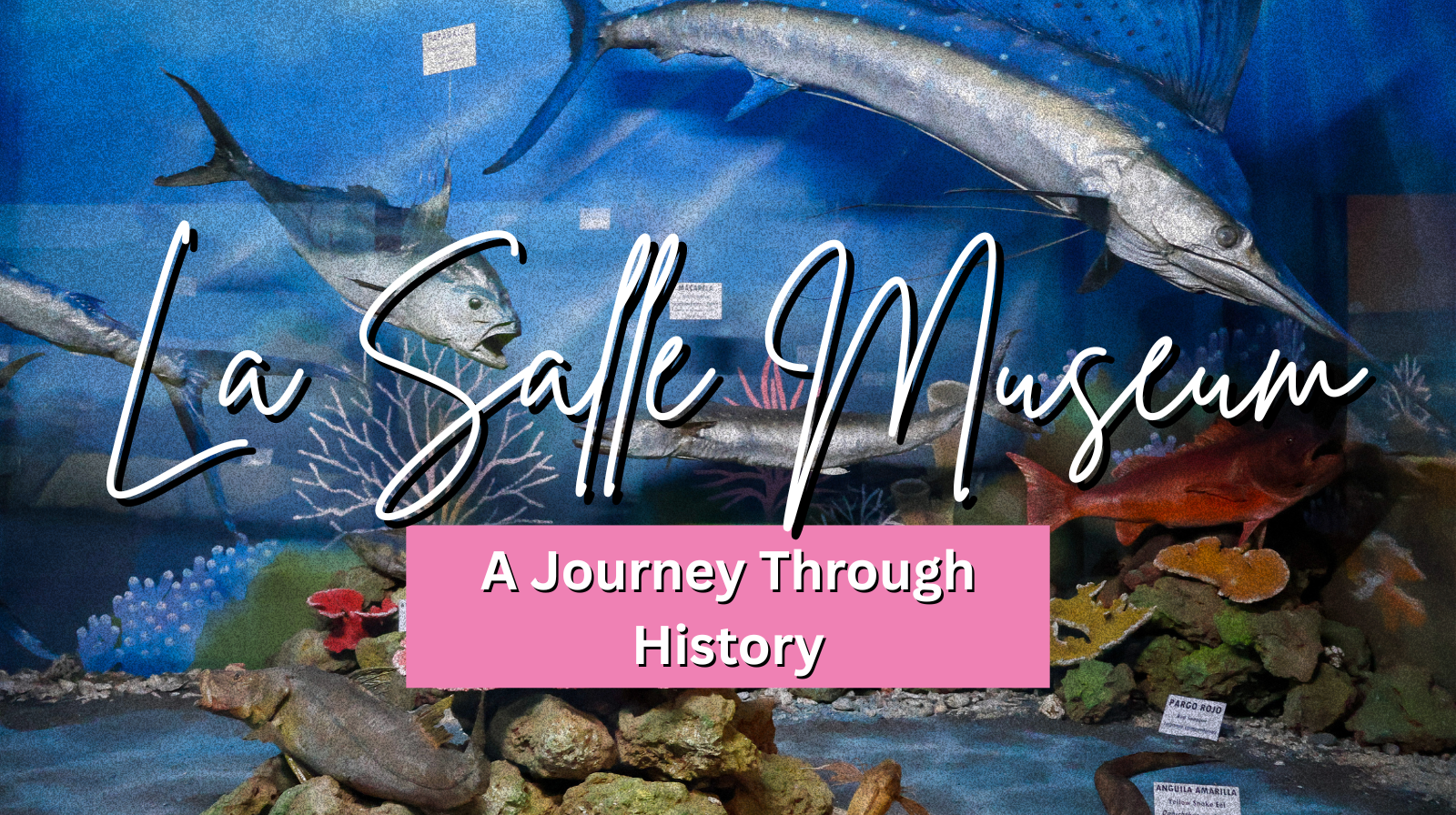
If you’re looking for an educational experience in Costa Rica that goes beyond beaches and rainforests, the La Salle Museum in San José is one destination you shouldn’t overlook. Whether you’re traveling with children, you’re passionate about wildlife, or you simply enjoy discovering fascinating places, this museum offers a unique opportunity to explore Costa Rica’s incredible biodiversity, prehistoric life, geology, and archaeology, all under one roof.
Unlike many modern interactive museums, the La Salle Museum feels like stepping into a scientific time capsule. Generations of Costa Ricans have fond memories of visiting its exhibition halls during school field trips, and today it continues inspiring curiosity in visitors of all ages. Home to one of Latin America’s most comprehensive natural history collections, the museum invites you to appreciate the richness of our natural world while understanding why conservation matters more than ever.

A Brief History of the La Salle Museum
The Museo de Ciencias Naturales La Salle was founded in 1960 by Brother Eduardo Fernández, a Natural Sciences teacher at Colegio La Salle. What began as a collection of outstanding science projects created by secondary school students gradually evolved into one of Costa Rica’s most important natural history museums.
Brother Eduardo encouraged his students to observe, document, and collect specimens that showcased Costa Rica’s extraordinary biodiversity. The best projects were preserved and displayed at the end of each school year, sparking interest among future students and eventually laying the foundation for the museum.
Over the decades, the collections expanded dramatically thanks to donations, scientific collaborations, and educational initiatives. Today, the museum houses more than 65,000 permanent specimens, earning recognition as one of the most complete museums of its kind in Latin America. Its mission has remained consistent for over sixty years: to preserve natural and cultural heritage while promoting scientific education and environmental responsibility.

Notable Exhibits and Collections
One of the reasons visitors love the La Salle Museum is the incredible diversity of its collections. Every room offers something different, making it easy to spend several hours exploring.
Paleontology
Perhaps the biggest attraction for children is the impressive dinosaur exhibit. Life-sized prehistoric models, fossil displays, and ancient specimens introduce visitors to creatures that roamed the Earth millions of years ago.
Zoology
The zoological collections showcase both vertebrates and invertebrates from Costa Rica and around the world, including:
- Mammals
- Birds
- Fish
- Reptiles
- Amphibians
- Corals
- Arthropods
These exhibits allow visitors to compare species while learning about habitats, adaptations, and biodiversity.
Entomology
The butterfly and insect collections are among the museum’s highlights. Beautifully preserved butterflies display an astonishing variety of colors and patterns, making this one of the most visually striking sections.
Malacology
The museum houses an extensive shell collection featuring marine and terrestrial mollusks from different regions of the world.
Minerals and Rocks
Visitors interested in geology will appreciate displays of minerals, gemstones, volcanic rocks, and geological formations that help explain Costa Rica’s volcanic origins.
Archaeology
The archaeological section complements the natural history exhibits by presenting artifacts that illustrate Costa Rica’s indigenous heritage and ancient cultures.
Together, these collections provide a comprehensive overview of Earth’s natural history while highlighting Costa Rica’s remarkable biodiversity.
The Architectural Significance of the Museum
Located in Sabana Sur, San José, the museum occupies part of the historic La Salle educational campus. Rather than featuring elaborate modern architecture, the building emphasizes functionality and accessibility, allowing the collections to remain the primary focus.
Its spacious galleries are designed to accommodate thousands of specimens, with each room organized according to scientific disciplines. The straightforward layout makes it easy for families, school groups, and independent travelers to navigate comfortably.
While the architecture itself is modest, the museum’s historical importance lies in preserving decades of scientific work and educational heritage that continue serving Costa Rican communities.
Educational Programs and Workshops
Education has always been the heart of the La Salle Museum’s mission.
The museum works closely with schools throughout Costa Rica, offering:
- Educational field trips
- Guided learning experiences
- Science-based activities
- Environmental education
- Conservation awareness programs
Special pricing is available for educational groups, making the museum accessible to schools across the country. Through its exhibits and educational initiatives, the museum encourages students to appreciate biodiversity while understanding the importance of protecting endangered species and natural ecosystems.
Its mission extends beyond displaying collections, it aims to inspire future scientists, conservationists, and environmentally conscious citizens.

Visitor Experience: What to Expect
A visit to the La Salle Museum is both entertaining and educational.
Families with children will find plenty to keep young minds engaged, especially the dinosaur models, colorful butterflies, skeleton displays, and animal exhibits. Adults often enjoy the geological collections, fossils, and archaeological artifacts.
Because the museum contains thousands of specimens, most visitors spend between 1.5 and 3 hours exploring the exhibits.
Current admission prices are:
- Adults: ₡2,500
- Seniors: ₡1,800
- Children (ages 2–12): ₡1,800
Tickets are purchased directly at the museum entrance, and reservations are generally not required for individual visitors. Educational groups can inquire about special arrangements and discounted rates.
Special Events and Exhibitions
While the museum’s permanent collections remain its main attraction, La Salle also supports educational projects, scientific outreach, and activities that promote environmental awareness throughout the year.
Depending on the season, visitors may encounter:
- Educational campaigns
- Science-related presentations
- Community outreach initiatives
- School-focused exhibitions
Because programming may vary, it’s worth checking the museum’s official website or contacting the museum before your visit for the latest information.
Tips for Planning Your Visit
To make the most of your visit:
- Visit in the morning if you prefer a quieter experience.
- Allow at least two hours to explore the collections comfortably.
- Bring a camera, many exhibits are excellent photo opportunities.
- If visiting with children, encourage them to ask questions and take their time exploring each section.
- Combine your visit with nearby attractions in San José, such as La Sabana Metropolitan Park.
Opening Hours
- Monday: Closed
- Tuesday – Saturday: 8:00 AM – 4:00 PM
- Sunday: 9:00 AM – 5:00 PM
The museum is conveniently located in Sabana Sur, making it easy to include in a day of exploring Costa Rica’s capital city.
Community Engagement and Outreach
For more than six decades, the La Salle Museum has served as a cultural and educational resource for Costa Rica. Its mission extends beyond preserving collections by encouraging environmental stewardship and scientific curiosity.
The museum actively promotes:
- Conservation of endangered species
- Scientific research
- Public education
- Appreciation for Costa Rica’s natural heritage
- Collaboration with educational institutions
Its ongoing commitment to preserving natural and cultural collections ensures that future generations will continue learning from these valuable specimens and historical artifacts.

The Importance of Preserving History
The La Salle Museum is much more than a collection of fossils and preserved animals, it’s a place where science, education, and history come together to tell the story of life on Earth. Whether you’re fascinated by dinosaurs, intrigued by Costa Rica’s extraordinary wildlife, or looking for a memorable educational outing with your family, this museum offers an experience that is both informative and inspiring.
In a country celebrated for its biodiversity, the La Salle Museum reminds us why preserving our natural heritage is so important. Every specimen, fossil, mineral, and artifact represents a piece of history that helps us better understand the world around us.
If you’re planning a trip to San José, adding the La Salle Museum to your itinerary is a wonderful way to discover another side of Costa Rica, one filled with scientific discovery, lifelong learning, and an appreciation for the incredible diversity of our planet.
FAQs
Where is the La Salle Museum located
The La Salle Museum is located in Sabana Sur, San José, on the campus of Colegio La Salle, just a few minutes from downtown San José and La Sabana Metropolitan Park.
How much does it cost to visit the La Salle Museum?
Admission prices are affordable:
- Adults: ₡2,500
- Children (ages 2–12): ₡1,800
- Seniors: ₡1,800
Prices may change, so it’s always a good idea to check the museum’s official website before your visit.
How long does it take to visit the museum?
Most visitors spend 1.5 to 3 hours exploring the museum, depending on how much time they spend viewing the exhibits.
Is the La Salle Museum suitable for children?
Absolutely! The museum is one of the best family-friendly attractions in San José. Kids especially enjoy the dinosaur displays, butterflies, marine life exhibits, and the impressive collections of vertebrates and invertebrates.
What are the museum’s opening hours?
The museum is open:
- Tuesday to Saturday: 8:00 AM – 4:00 PM
- Sunday: 9:00 AM – 5:00 PM
- Monday: Closed
What can you see at the La Salle Museum?
Visitors can explore thousands of specimens, including dinosaur fossils, mammals, birds, reptiles, insects, butterflies, seashells, minerals, rocks, marine life, and archaeological artifacts, making it one of Costa Rica’s most comprehensive natural history museums.
