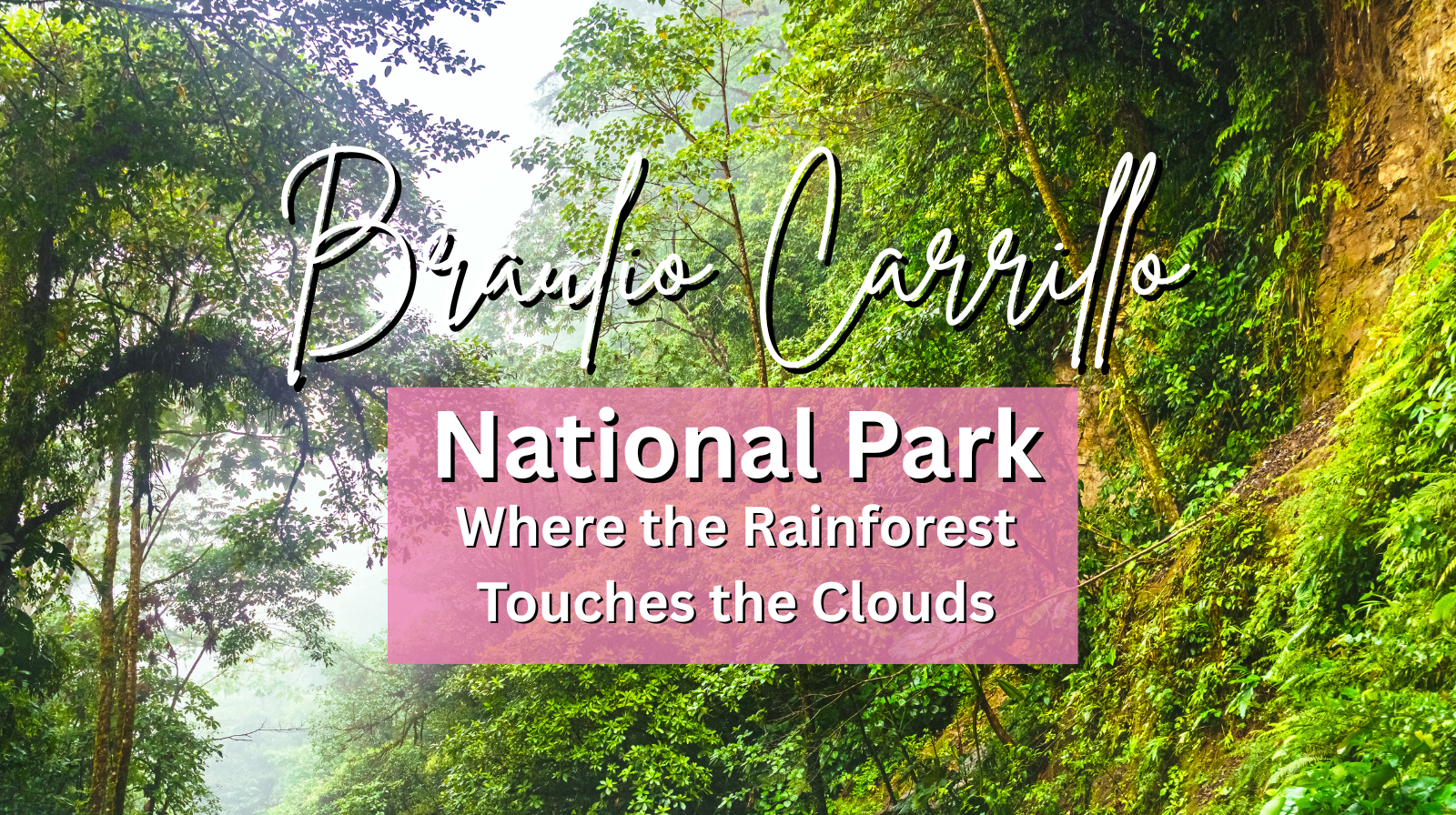
If you’re looking for a true rainforest adventure just a short drive from San José, Braulio Carrillo National Park should be at the top of your Costa Rica travel list. This lush and expansive park is one of the country’s most biodiverse areas, offering everything from misty cloud forests to tropical lowlands teeming with wildlife. Whether you’re an avid hiker, a passionate birdwatcher, or simply seeking a peaceful escape into nature, Braulio Carrillo provides the perfect mix of adventure and tranquility.
Home to hundreds of bird species, elusive mammals, and vibrant plant life, the park is a living classroom for nature enthusiasts. Hiking its trails, such as the Barva Volcano Trail or the serene Copey Lagoon Trail, lets visitors immerse themselves in ecosystems that range from montane forests to riverine lowlands. Along the way, you might spot the resplendent quetzal, hear the calls of howler monkeys echoing through the trees, or simply enjoy the soothing sound of waterfalls cascading into hidden pools.
For travelers who are exploring Costa Rica, a visit to Braulio Carrillo can easily be paired with other nearby adventures. You could combine it with a trip to La Paz Waterfall Gardens, explore coffee plantations in the Central Valley, or venture into other protected areas for more wildlife spotting. These connections not only make your trip more enriching but also help highlight the interconnected beauty of Costa Rica’s natural landscapes.
With its incredible biodiversity, scenic trails, and proximity to San José, Braulio Carrillo National Park is a must-visit destination that every nature lover should experience at least once. Whether you’re photographing rare birds, trekking through cloud forests, or enjoying a quiet moment beside a hidden lagoon, this park embodies the natural wonder and adventure that Costa Rica is famous for.

History and Significance of the Park
Braulio Carrillo National Park was officially established in 1978 to preserve the vital watersheds of Costa Rica’s Central Valley. Its name honors Braulio Carrillo Colina, the third head of state of Costa Rica, who played a significant role in shaping the country’s early infrastructure and economy.
The park’s strategic location bridges the Central Valley with the Caribbean lowlands, creating a natural corridor for wildlife. Historically, the area has been crucial for protecting water sources for nearby communities, including San José. Today, it represents Costa Rica’s ongoing commitment to conservation and sustainable tourism, allowing travelers to witness ecosystems that have been protected for decades.
Unique Ecosystems and Biodiversity
Braulio Carrillo spans nearly 45,000 hectares of pristine rainforest, making it one of Costa Rica’s largest protected areas. Its remarkable biodiversity is due to the park’s range of elevations, from 300 to over 2,900 meters (1,000 to 9,500 feet), creating a variety of climates and ecosystems:
- Montane forests at higher altitudes host cloud forests rich in mosses, orchids, and ferns.
- Tropical rainforests closer to the lowlands provide dense canopy cover and lush vegetation.
- Rivers and waterfalls cut through the terrain, offering refreshing swimming spots and habitats for aquatic wildlife.
The park is home to over 600 tree species, including towering oaks, ceibas, and towering palms. Birdwatchers rejoice here: more than 530 bird species have been recorded, including the iconic resplendent quetzal, emerald toucanet, and various trogons and tanagers. Mammals are abundant too: howler monkeys, capuchins, jaguars, pumas, and ocelots call the park home. Reptiles, amphibians, and countless insects further contribute to the park’s rich tapestry of life.

Best Hiking Trails and Scenic Routes
Braulio Carrillo offers a variety of trails for all experience levels:
Barva Volcano Trail
Moderate difficulty, about 3.6 miles round-trip with 757 feet of elevation gain. This trail winds through cloud forests and offers spectacular panoramic views of San José and the surrounding mountains on clear days. You may spot quetzals perched high in the trees or hear howler monkeys echoing through the forest.
Copey Lagoon Trail
A tranquil hike ideal for birdwatching and photography. The trail leads to a serene lagoon surrounded by dense forest, where you can often spot kingfishers and herons gliding over the water.
Ceibo Trail
Perfect for families and beginners, this short 1 km loop introduces visitors to the forest ecosystem, showcasing giant ceiba trees and vibrant understory plants. It’s an excellent way to learn about the rainforest without committing to a long trek.
Los Botarramas Trail (new addition for adventure seekers)
Challenging but rewarding, this trail takes you through misty cloud forests and past waterfalls, giving hikers a chance to spot elusive mammals and exotic birds.
Pro Tip: Mornings are the best time for hikes because the air is fresh, wildlife is most active, and the lighting is perfect for photos.

Wildlife Spotting: What to Expect
If you’re a nature lover or birdwatching enthusiast, Braulio Carrillo National Park is nothing short of paradise. This lush rainforest, often shrouded in mist, is home to one of Costa Rica’s richest collections of wildlife — so keep your camera ready and your eyes open, because you never know what might appear along the trail!
A Birdwatcher’s Dream
The park’s dense jungle is home to over 500 species of birds, making it a dream come true for birders. Among the stars of the show is the Resplendent Quetzal, a dazzling emerald and crimson bird that many travelers come to Costa Rica hoping to spot. You might also catch glimpses of toucans, tanagers, hummingbirds, and the elusive umbrella bird, known for its deep, echoing call that fills the canopy.
The Majestic Mammals of the Forest
But it’s not just about the birds — Braulio Carrillo National Park also shelters an incredible range of mammals. As you wander through the forest, listen for the distant roar of howler monkeys, watch white-faced capuchins swinging between branches, or even spot a sloth lazily hanging from a cecropia tree. Lucky visitors might encounter rarer species like tapirs, jaguars, and ocelots, though these are masters of camouflage and usually stay hidden in the thick vegetation.
Reptiles, Amphibians, and Tiny Treasures
Reptiles and amphibians are also abundant here. Keep an eye out for red-eyed tree frogs, colorful poison dart frogs, and emerald basilisks, often nicknamed the “Jesus Christ lizard” for their ability to run across water! The park’s high humidity and constant rainfall make it a thriving habitat for countless smaller creatures — from butterflies and beetles to orchids and mosses that seem to grow on every surface.
If you’re hoping to make the most of your wildlife experience, consider joining a guided tour. Local naturalists know exactly where to look and can help you identify species you might otherwise miss. Early mornings are the best time for birdwatching, while late afternoons are great for spotting mammals moving through the forest.
For those planning a full Costa Rican adventure, you might also love exploring nearby parks such as Los Quetzales National Park or Tortuguero National Park, both featured in our Costa Rica National Parks Guide. Each offers its own incredible wildlife encounters and breathtaking scenery.
When and How to Spot Wildlife
Timing and patience are key to a great wildlife experience in Braulio Carrillo:
- Early mornings (6–8 AM) and late afternoons (4–5 PM) are the most active times for animal sightings.
- Rainy season (May to November) brings frogs, butterflies, and lush scenery, while the dry season (December to April) offers clearer trails and easier hiking conditions.
- Hire a Local Guide: Park rangers and certified guides have an expert eye for spotting animals that often go unnoticed by untrained visitors. They can identify bird calls, track footprints, and teach you about the park’s delicate ecosystems.
Responsible Wildlife Watching
It’s important to enjoy wildlife ethically — a cornerstone of Costa Rica’s approach to sustainable tourism. Stay on designated trails, avoid feeding animals, and keep a respectful distance to ensure both your safety and the well-being of the creatures you encounter.out patience—quietly pause on trails and you’ll be rewarded with unforgettable sightings.

Tips for Visiting Braulio Carrillo National Park
- Best Time to Visit: The dry season, from December to April, offers clearer skies and less rainfall, perfect for hiking and wildlife spotting. However, the rainy season (May to November) brings lush green scenery and active wildlife, especially frogs and butterflies.
- Essential Gear: Sturdy hiking boots, rain jacket, hat, sunscreen, insect repellent, reusable water bottle, and binoculars.
- Guided Tours: Hiring a certified local guide can enrich your experience, helping you spot hidden wildlife and understand the complex ecosystems.
- Accessibility: While the main entrance at Zurquí is easily accessible by car, some trails require moderate fitness and proper preparation.
Activities for Nature Enthusiasts
Besides hiking, Braulio Carrillo offers unique experiences:
- Birdwatching: With hundreds of species, it’s a prime spot for both amateur and experienced birders. Don’t miss early mornings when quetzals and toucans are most active.
- Aerial Tram Tours: Some operators offer canopy tours above the rainforest, providing breathtaking perspectives of the forest canopy and its inhabitants.
- Photography & Nature Journaling: The misty landscapes, waterfalls, and colorful wildlife are perfect for photography or keeping a nature journal.
- Educational Programs: Local guides often offer information about native plants, conservation efforts, and the importance of protecting biodiversity.
Nearby Attractions and Accommodations
- Tapirus Lodge: Cozy and eco-friendly, just 1.5 miles from the park, offering free breakfast and proximity to hiking trails.
- Hotel El Tirol: Nestled in the mountains, it provides peaceful retreats surrounded by lush scenery.
- Day Trips: Combine your visit with nearby La Paz Waterfall Gardens, coffee plantations in the Central Valley, or a visit to the Caribbean lowlands to see diverse ecosystems.

Conservation Efforts and Sustainable Tourism
Braulio Carrillo is a critical conservation area, protecting water sources for over a million people and acting as a wildlife corridor between the Central Valley and Caribbean regions. The park supports:
- Anti-logging and anti-poaching initiatives.
- Scientific research and monitoring programs for endangered species.
- Eco-tourism projects that involve and benefit local communities.
As a visitor, you can support these efforts by staying at eco-lodges, hiring local guides, and respecting park rules like sticking to trails and not disturbing wildlife.
Why You Should Visit Braulio Carrillo National Park
Braulio Carrillo National Park is more than a destination—it’s a journey into the heart of Costa Rica’s natural beauty. Its rich history, stunning landscapes, incredible biodiversity, and commitment to conservation make it a must-visit for nature lovers and adventure seekers alike. Whether you’re hiking trails, spotting quetzals, or simply soaking in the peaceful rainforest ambiance, a visit here promises lifelong memories.
Plan your visit today and immerse yourself in one of Costa Rica’s most treasured natural wonders. You’ll leave with stories, photos, and a deeper appreciation for the incredible biodiversity that this tiny country protects.
